
Home Blog Solar Energy Solution LiFePO4 & Battery Systems Lithium-ion vs. lead acid batteries: Comparision between Them
Lithium-ion vs. lead acid batteries: Comparision between Them
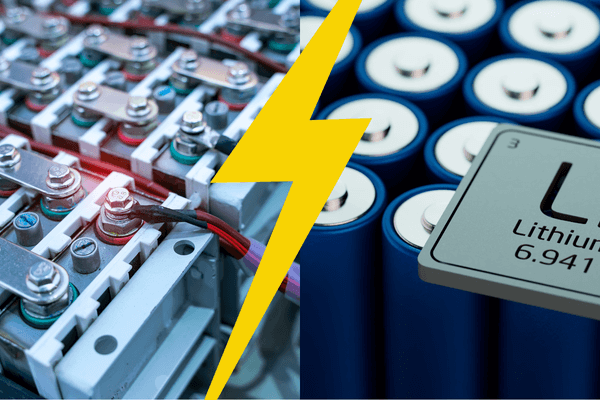
There are several types of batteries to choose for home energy storage, lithium-ion and lead-acid batteries. While both can effectively store energy, they differ in cost, performance, and efficiency. This article compares these two popular battery types to help you decide which is the right fit for energy storage needs.
How Do Lithium-Ion and Lead Acid Batteries Work?
Both lithium-ion and lead acid batteries operate by storing electrical energy and releasing it through electrochemical reactions. The key difference lies in the materials used:
- Lithium-ion batteries transfer positive and negative lithium ions between electrodes, allowing for efficient energy storage and discharge.
- Lead acid batteries use lead-based plates and sulfuric acid to generate and store electricity.
- These fundamental differences in chemistry result in significant variations in performance, longevity, and cost.
Lithium-Ion vs. Lead Acid: Which One is Better?
In most cases, lithium-ion batteries outperform lead acid batteries due to their higher efficiency, longer lifespan, and greater energy capacity. However, for small off-grid setups or backup systems that aren’t used frequently, the lower cost of lead acid batteries can make them a more economical choice.
Key Comparison Factors
| Feature | Lithium-Ion Batteries | Lead Acid Batteries |
| Cost | $5,000 - $15,000 | $500 - $1,000+ |
| Capacity | 10+ kWh | 1.5 - 5 kWh |
| Depth of Discharge(DoD) | 85% | 50% |
| Efficiency | 95% | 80 - 85% |
| Lifespan | 10 - 15 years | 3 - 12 years |
1. Cost
Lead acid batteries are cheaper upfront, typically costing hundreds or thousands of dollars less than lithium-ion options. However, when considering total lifetime value, lithium-ion batteries often provide better long-term savings due to their durability and higher efficiency.
2. Capacity
Capacity refers to how much energy a battery can store and discharge. Lithium-ion batteries have a much higher energy density, meaning they can store more power in a smaller space. This allows them to power more appliances for longer compared to lead acid batteries of the same size.
Capacity refers to how much energy a battery can store and discharge. Lithium-ion batteries have a much higher energy density, meaning they can store more power in a smaller space. This allows them to power more appliances for longer compared to lead acid batteries of the same size.
3. Depth of Discharge
Depth of discharge (DoD) indicates how much of a battery’s energy can be used before it needs recharging. Lithium-ion batteries can discharge up to 85% or more, whereas lead acid batteries should not be discharged below 50%, as deep discharges shorten their lifespan. This means lithium-ion batteries offer more usable energy per cycle.
Depth of discharge (DoD) indicates how much of a battery’s energy can be used before it needs recharging. Lithium-ion batteries can discharge up to 85% or more, whereas lead acid batteries should not be discharged below 50%, as deep discharges shorten their lifespan. This means lithium-ion batteries offer more usable energy per cycle.
4. Efficiency
Battery efficiency measures how much stored energy is actually available for use. Lithium-ion batteries are about 95% efficient, meaning they lose very little energy during charging and discharging. In contrast, lead acid batteries are only 80-85% efficient, meaning more energy is lost in the process.
Battery efficiency measures how much stored energy is actually available for use. Lithium-ion batteries are about 95% efficient, meaning they lose very little energy during charging and discharging. In contrast, lead acid batteries are only 80-85% efficient, meaning more energy is lost in the process.
5. Lifespan
Every time a battery is charged and discharged, it completes a cycle. Over time, all batteries degrade and lose their ability to hold a charge. Lithium-ion batteries last much longer, often 10-15 years, while lead acid batteries typically need replacement within 3-12 years, depending on usage and maintenance.
Every time a battery is charged and discharged, it completes a cycle. Over time, all batteries degrade and lose their ability to hold a charge. Lithium-ion batteries last much longer, often 10-15 years, while lead acid batteries typically need replacement within 3-12 years, depending on usage and maintenance.
Find the Right Solar Batteries
As a leading manufacturer of energy storage solutions, we specialize in high-quality lithium-ion and lead-acid batteries for residential, commercial, and industrial applications. We are actively seeking wholesalers and distributors worldwide and offer OEM and ODM services to meet your business needs.
If you're interested in bulk purchasing or customized battery solutions, feel free to contact us for inquiries and pricing details. We look forward to working with you!
If you're interested in bulk purchasing or customized battery solutions, feel free to contact us for inquiries and pricing details. We look forward to working with you!
Release time: 2025-03-17
AGM Batteries for Solar: What Your Need to Know
Off-Grid Lithium Batteries: Best for Sustainable Energy Solutions
Related blog

If you are looking for the products for your business please
contact us

+86 75782782286


Headquaters: Block7, No.115, ZhangChayi Road, Foshan, Guangdong, China