
Энергоснабжение серверной комнаты: ИБП против генератора - что лучше?

In today's fast-paced digital landscape, server rooms play a crucial role in maintaining business continuity. However, power outages can disrupt operations, leading to data loss and financial setbacks. To mitigate these risks, the business owners often consider two primary solutions: Uninterruptible Power Supply (UPS) systems and generators. This article explores the key differences between UPS and generators, helping businesses determine the best option for their needs.
Response Time
One of the most significant advantages of UPS systems is their rapid response time. UPS units can switch to battery power in milliseconds, ensuring a seamless transition during power interruptions. This instantaneous reaction protects sensitive equipment and prevents downtime.
In contrast, generators typically take several seconds to a few minutes to start, which can result in brief power outages and potential data loss.
One of the most significant advantages of UPS systems is their rapid response time. UPS units can switch to battery power in milliseconds, ensuring a seamless transition during power interruptions. This instantaneous reaction protects sensitive equipment and prevents downtime.
In contrast, generators typically take several seconds to a few minutes to start, which can result in brief power outages and potential data loss.
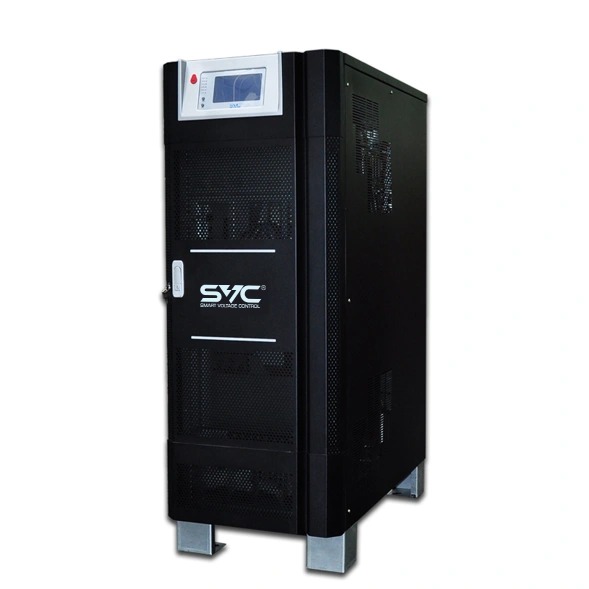
SVC Online UPS for Server Room in zero transition time
|
|
|


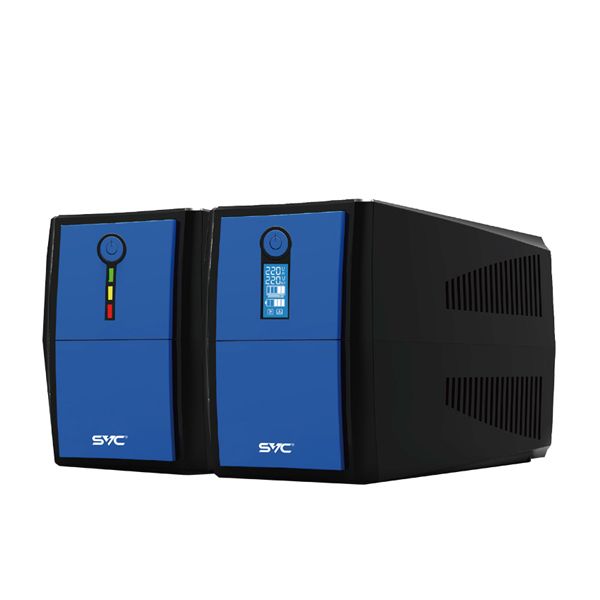
SVC Line-interactive UPS for IT infrastructure, in milliseconds transition time


Duration of Power Supply
When it comes to sustaining power, UPS power supply systems are designed for short-term use. They can provide backup power for several minutes to a few hours, depending on the battery capacity. This makes them ideal for handling short interruptions.
Generators, on the other hand, can operate for extended periods, as long as there is an adequate fuel supply. This capability is essential for businesses facing prolonged power outages.
When it comes to sustaining power, UPS power supply systems are designed for short-term use. They can provide backup power for several minutes to a few hours, depending on the battery capacity. This makes them ideal for handling short interruptions.
Generators, on the other hand, can operate for extended periods, as long as there is an adequate fuel supply. This capability is essential for businesses facing prolonged power outages.
Energy Efficiency
Uninterruptible power supply generally offer higher energy efficiency, especially online UPS models, which ensure a stable power quality by continuously converting incoming power. This efficiency translates to lower operational costs.
Conversely, generators often have lower energy efficiency, particularly during low-load scenarios, leading to fuel wastage and increased operational costs.
Uninterruptible power supply generally offer higher energy efficiency, especially online UPS models, which ensure a stable power quality by continuously converting incoming power. This efficiency translates to lower operational costs.
Conversely, generators often have lower energy efficiency, particularly during low-load scenarios, leading to fuel wastage and increased operational costs.
Maintenance and Costs
From a maintenance perspective, UPS systems are relatively straightforward, requiring routine battery checks and system monitoring. While the initial investment might be higher, the long-term operational costs are typically lower. Generators, however, demand regular maintenance, including oil changes and filter replacements. Although they may have lower upfront costs, ongoing maintenance can accumulate, especially for larger systems.
From a maintenance perspective, UPS systems are relatively straightforward, requiring routine battery checks and system monitoring. While the initial investment might be higher, the long-term operational costs are typically lower. Generators, however, demand regular maintenance, including oil changes and filter replacements. Although they may have lower upfront costs, ongoing maintenance can accumulate, especially for larger systems.
Environmental Impact
UPS systems are more environmentally friendly, producing no emissions and generating minimal noise, making them suitable for indoor environments. In contrast, generators emit exhaust gases and noise, which can be disruptive, particularly in urban settings. Businesses must consider these factors, especially if they are located in densely populated areas.
UPS systems are more environmentally friendly, producing no emissions and generating minimal noise, making them suitable for indoor environments. In contrast, generators emit exhaust gases and noise, which can be disruptive, particularly in urban settings. Businesses must consider these factors, especially if they are located in densely populated areas.
Suitable Applications
The choice between UPS and generators often depends on the specific application. UPS systems are ideal for environments requiring short-term, seamless power protection, such as data centers, medical equipment, and telecommunications. Generators are more suited for applications where long-term power supply is essential, such as large industrial facilities or construction sites.
The choice between UPS and generators often depends on the specific application. UPS systems are ideal for environments requiring short-term, seamless power protection, such as data centers, medical equipment, and telecommunications. Generators are more suited for applications where long-term power supply is essential, such as large industrial facilities or construction sites.
Additional Features
UPS systems often come equipped with monitoring and management features that provide real-time data on power usage and alert users to potential issues. While some advanced generators offer remote monitoring capabilities, they generally lack the comprehensive functionality of UPS systems.
UPS systems often come equipped with monitoring and management features that provide real-time data on power usage and alert users to potential issues. While some advanced generators offer remote monitoring capabilities, they generally lack the comprehensive functionality of UPS systems.
Conclusion
When deciding between UPS systems and generators, organizations must carefully assess their power protection needs. For environments that require immediate, uninterrupted power supply, UPS systems are the preferred choice. However, for scenarios where prolonged power outages are expected, generators provide a robust solution.
In many cases, a combination of both systems can deliver optimal power protection, ensuring business continuity and minimizing risks associated with power failures.
When deciding between UPS systems and generators, organizations must carefully assess their power protection needs. For environments that require immediate, uninterrupted power supply, UPS systems are the preferred choice. However, for scenarios where prolonged power outages are expected, generators provide a robust solution.
In many cases, a combination of both systems can deliver optimal power protection, ensuring business continuity and minimizing risks associated with power failures.
Как выбрать источник питания ИБП для серверной комнаты?
ИБП с двойным преобразованием: комплексное введение
Related blog
If you are looking for the products for your business please
contact us

+86 75782782286


Headquaters: Block7, No.115, ZhangChayi Road, Foshan, Guangdong, China