
What is Home Energy Storage Systems
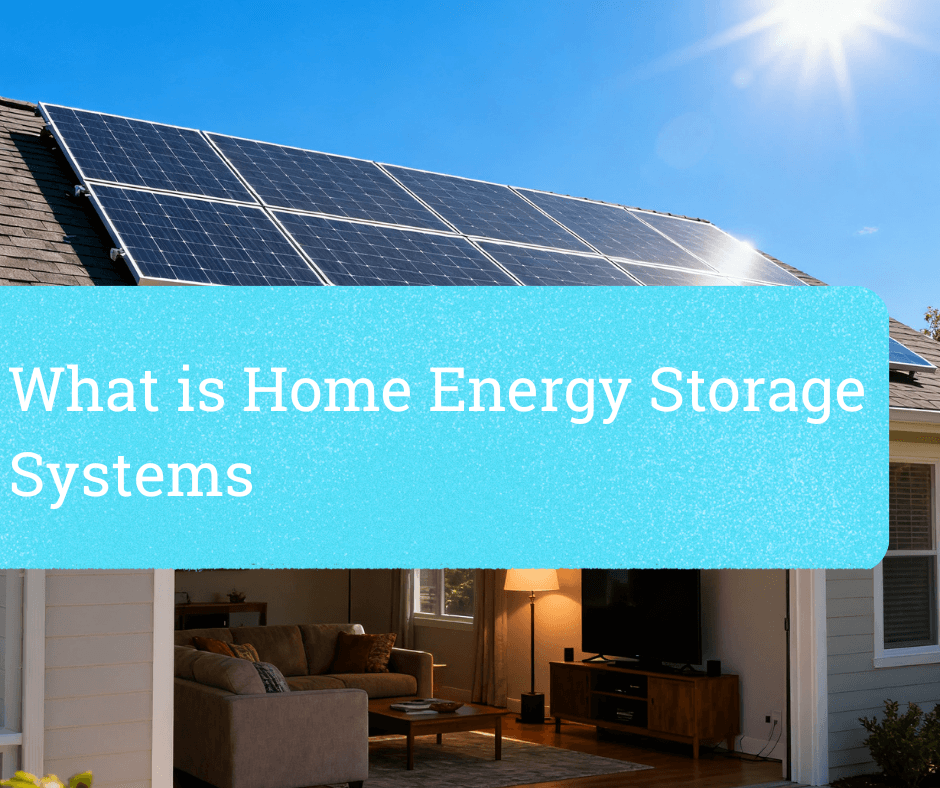
What Is a Home Energy Storage System?
A home energy storage system refers to a setup that stores electricity—usually generated from renewable sources like solar panels—for future household use. These systems store electricity during off-peak hours and discharge it during peak demand periods, helping to bridge the gap between generation and usage.
To better understand it, imagine a water tank: just as a water tank stores water for later use, a storage system holds electrical energy. In modern households filled with elevators, electric vehicles, and smart locks, a power outage can cause serious disruptions. That’s where home energy storage becomes critical.
In recent years, extreme weather events have caused increasingly frequent power outages worldwide. As a result, more households are installing storage systems to stay prepared. When disasters strike and the power goes out, these systems can keep essential functions—like medical equipment, lighting, or emergency communication—running.
Is a Home Energy Storage System Worth Buying?
There's no one-size-fits-all answer. The value of a home energy storage system depends on your budget and energy needs. For example, if you already have a solar energy system installed, adding a storage unit allows you to use the electricity generated during the day at night—maximizing your solar investment, improving energy efficiency, and reducing electricity bills.
In some regions, you can even connect your system to the public grid and sell surplus electricity back to the utility provider, turning your setup into a form of passive income. However, the most valuable aspect of a storage system might not be financial at all—it’s the peace of mind and energy independence it offers during unexpected outages or emergencies.
How to Choose the Right Home Energy Storage System?
Here are 5 key factors to consider when selecting a system that suits your household:
-
Storage Capacity
Just like a water tank’s size determines how much water it can store, a battery’s capacity (measured in kilowatt-hours, kWh) determines how much electricity it can hold. Most home storage systems range from 5–15 kWh. If you choose a larger-capacity system, you’ll have more backup energy available during emergencies. -
Warranty and After-Sales Support
Before making a purchase, compare different brands, including their pricing, product features, and warranties. A reliable warranty (typically 5 to 10 years) and responsive customer service are essential for long-term peace of mind. -
Suitability to the Local Environment
Consider environmental factors like operating temperature, water resistance, and humidity when choosing a system. Make sure the product is suitable for your home's location and installation environment. -
System Efficiency and Energy Loss
When storing and using electricity, some energy is lost during conversion from DC (direct current) to AC (alternating current). This loss is typically around 10–20%, meaning system efficiency ranges between 80–90%. Understanding this helps you set realistic expectations for performance. -
Depth of Discharge (DoD)
DoD refers to the percentage of a battery's energy that can be safely used. The higher the DoD, the more usable capacity your battery offers. Choosing a system with a high DoD means greater efficiency and longer battery life.
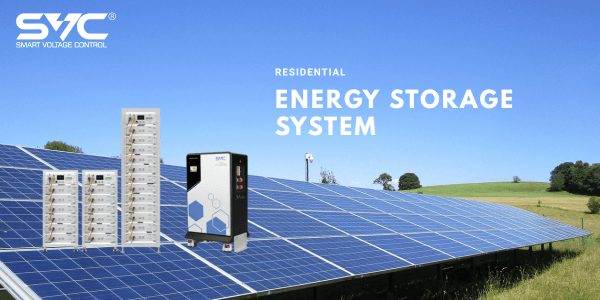
SVC Energy Storage System for Home
Founded with a strong foundation in power supply technology, SVC has long been committed to the development of innovative energy solutions. In response to the global goal of achieving net-zero emissions by 2050, we have joined hands with our partners to focus on home energy storage systems and integrated solutions that support a cleaner and more resilient energy future.
Below, we introduce several of our featured all-in-one energy storage system products, designed to meet the growing demand for household energy independence and sustainability:


Conclusion
As solar adoption continues to grow, home energy storage systems are becoming an integral part of sustainable living. While the initial investment may seem high, the benefits—from lower energy bills to blackout protection and even energy independence—can make it a wise choice for many households. By considering your energy needs, local environment, and product specifications, you can find the right system to power your home more reliably and sustainably.
Significance of Battery Aging Tests
Complete Guide to LiFePO4 Solar Battery

If you are looking for the products for your business please
contact us

+86 75782782286


Headquaters: Block7, No.115, ZhangChayi Road, Foshan, Guangdong, China