
Double Conversion UPS A Comprehensive Introduction
Uninterrupted Power Supply (UPS) has become an essential tools for ensuring the stable operation of critical power equipment. As technology continues to evolve, so do the types and technologies of UPS systems. Among them, Double Conversion UPS (or Online UPS) has emerged as the preferred choice for many high-end applications due to its superior power protection capabilities. This article will delve into the technical principles, operational mechanisms of Double Conversion UPS, and compare it with Line Interactive UPS, helping readers better understand the advantages and application scenarios of Double Conversion UPS.
What is Double Conversion Topology?
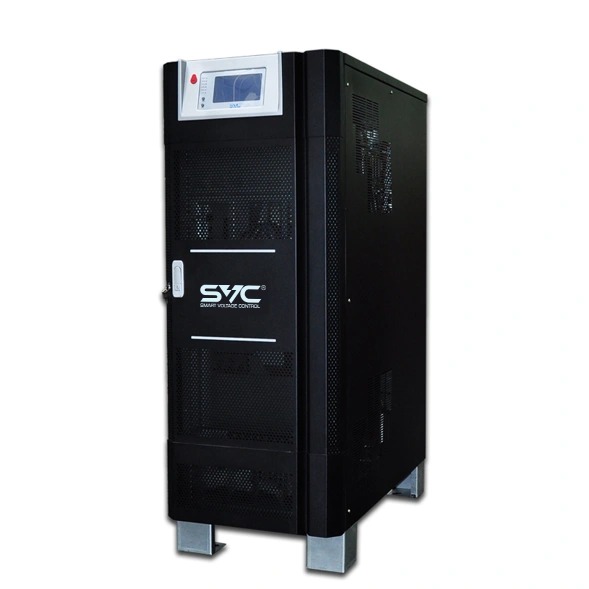
Double Conversion technology is one of the most reliable and stable technologies used in today's Uninterruptible Power Supply (UPS) systems. It ensures clean and stable power by converting the power twice—first from AC (Alternating Current) to DC (Direct Current) and then back from DC to AC. Through this dual conversion, the UPS effectively isolates and filters out various power issues such as voltage fluctuations, frequency variations, and voltage spikes, providing a clean and stable power output to connected loads. This technology isolates output power from input power 100% of the time and has a zero transfer time. Double conversion topology UPS systems are designed for high-end systems, corporate servers, lab equipment and other critical or sensitive electronic devices.
How Double-conversion online UPS Operate?
A double-conversion on-line UPS converts power twice.
Step 1: AC to DC Conversion.
A double-conversion on-line UPS uses a capacitor to stabilize this DC voltage and store energy drawn from the AC input. This step effectively eliminates noise, voltage fluctuations, and other electrical disturbances, ensuring cleaner power.
Step2: DC to AC Conversion
The DC power is then converted back to AC through an inverter. This process produces a highly stable and clean output power that is completely unaffected by the quality of the input power. Even in the event of a complete loss of input power, the UPS can continue to provide stable AC output using its batteries.
The Double Conversion Online UPS is always in operation, meaning that regardless of any issues with the input power, the output power remains unaffected. This makes this type of UPS capable of providing the highest level of power protection for mission-critical equipment.
Benifts of Double Conversion UPS
On-line UPS has several advantages that significantly distinguish them from devices with similar functions. The pluses include:
On-line UPS has several advantages that significantly distinguish them from devices with similar functions. The pluses include:
- High Power Quality: Double Conversion technology effectively filters out various power disturbances, providing an extremely stable power output, which is crucial for sensitive equipment.
- Zero Transfer Time: Since the UPS is always active, there is no transfer time when switching to battery power in the event of an input power failure, ensuring uninterrupted power supply.
- High Adaptability: Double Conversion UPS can adapt to various input power qualities, ensuring the normal operation of equipment despite voltage fluctuations or frequency variations.
Ideal for Critical Applications: Due to its high reliability and stability, Double Conversion UPS is widely used in data centers, hospitals, financial institutions, and other environments where power continuity and stability are paramount.

Double Conversion UPS vs Line-interacitve UPS
When choosing a UPS system, Double Conversion UPS and Line Interactive UPS are two common options, but they have distinct differences:
- Level of Power Protection:
Double Conversion UPS: Provides the highest level of power protection, effectively dealing with all types of power issues, including voltage fluctuations, frequency variations, and harmonic distortion.
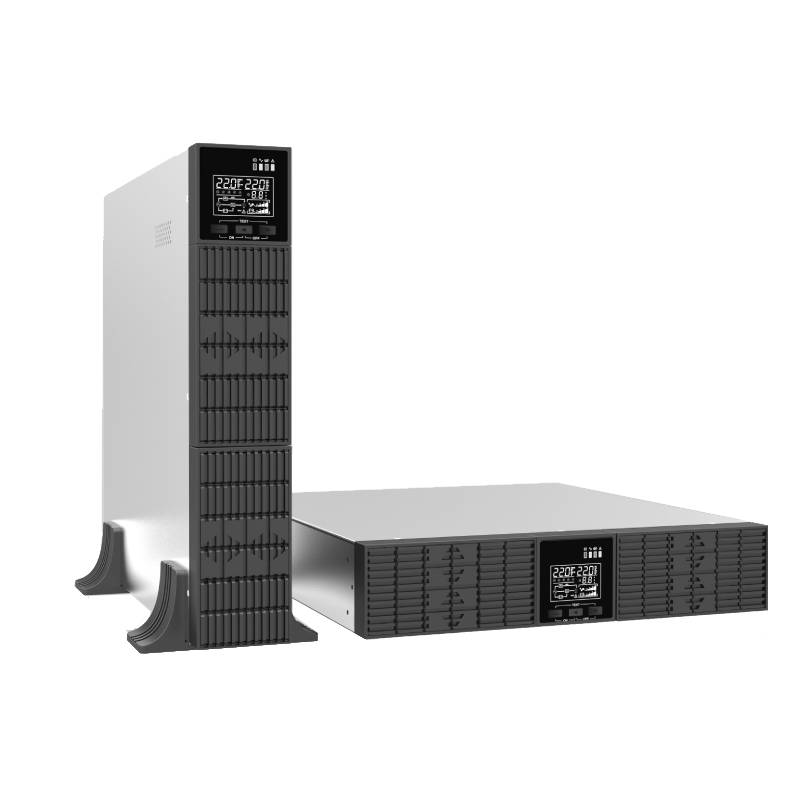
Line Interactive UPS: Offers basic power protection, mainly handling voltage fluctuations, but is less effective in dealing with frequency variations and harmonic distortion.
Line Interactive UPS: Offers basic power protection, mainly handling voltage fluctuations, but is less effective in dealing with frequency variations and harmonic distortion.
- Transfer Time:
Double Conversion UPS: With the system always active, there is zero transfer time.
Line Interactive UPS: Requires a brief transfer time, typically 2-4 milliseconds, to switch to battery power when utility power fails.
- Application Scenarios:
Double Conversion UPS: Suitable for mission-critical equipment that requires the highest level of power reliability, such as servers, medical equipment, and financial transaction systems.
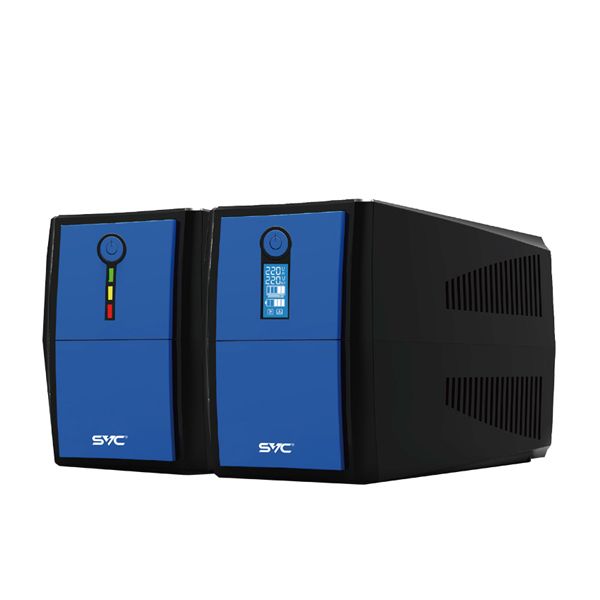
Line Interactive UPS: More suitable for less critical applications, such as personal computers and office equipment.
Line Interactive UPS: More suitable for less critical applications, such as personal computers and office equipment.

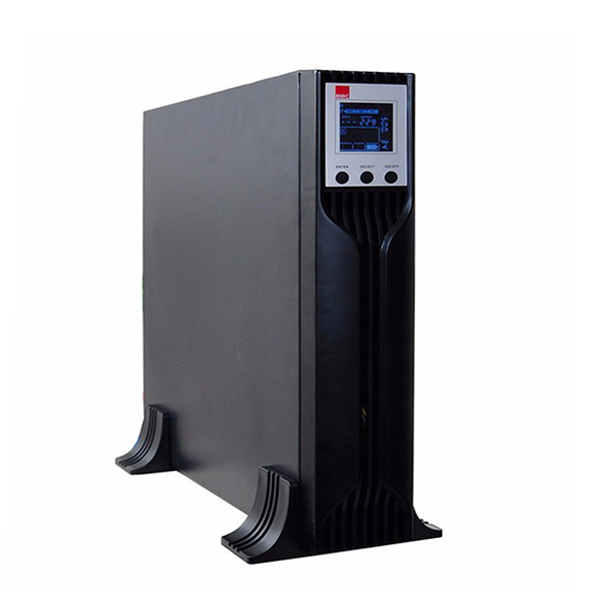

Conclusion
With its advanced Double Conversion technology, the Double Conversion UPS offers unparalleled reliability and stability in power protection. Although it may come at a higher cost, a Double Conversion UPS is undoubtedly the best choice for environments that demand stringent power quality and continuity. For general office or home equipment, a Line Interactive UPS may be a more cost-effective option. If you are looking for the double conversion UPS for your project, welcome to contact us for help.
Server Room Power: UPS vs. Generator - Which is Better?
Application of Online UPS
Related blog

If you are looking for the products for your business please
contact us

+86 75782782286


Headquaters: Block7, No.115, ZhangChayi Road, Foshan, Guangdong, China