
Unveiled the Magic of Hybrid Inverter: Comprehensive Guidance
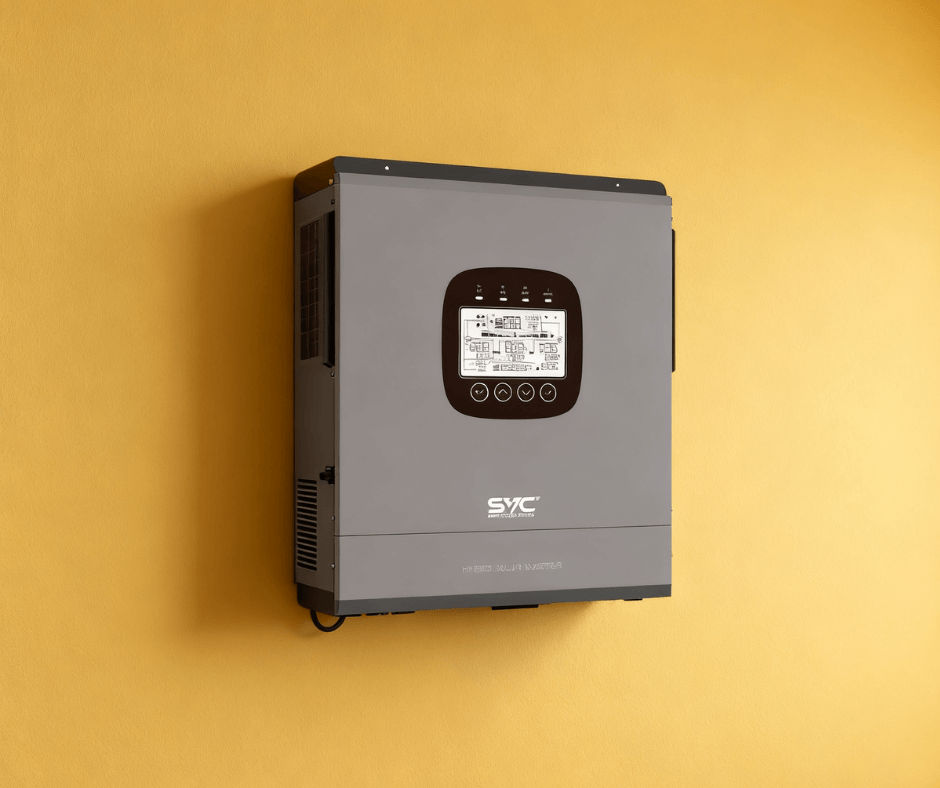
What Is a Hybrid Solar Inverter?
A hybrid solar inverter is an advanced device that merges the functions of a standard solar inverter and a battery inverter into a single unit. Unlike conventional inverters, which only convert DC electricity from solar panels into AC power for household use, a hybrid inverter also manages battery charging and discharging. This integration provides flexible energy management and ensures power availability at all times.
How Does It Work?
The operation of a hybrid solar inverter centers on seamless coordination between solar panels, batteries, and the grid:
-
Daytime Operation: When sunlight is abundant, the inverter prioritizes solar energy to power appliances directly. Surplus energy charges the battery.
-
Nighttime or Low-Sun Conditions: When solar generation decreases, the inverter draws power from the battery to keep electricity flowing.
-
Grid Interaction: If needed, the system can draw from or feed into the grid, ensuring continuous supply.
This intelligent switching makes hybrid systems highly resilient and efficient.
Types of Hybrid Solar Inverters
1. AC-Coupled Hybrid Inverter
AC-coupled systems are designed to integrate with existing solar arrays and battery storage.
-
Compatibility: Ideal for homeowners who want to add storage without replacing their current solar setup.
-
Modular Design: Supports flexible battery expansion.
-
Grid Interaction: Enables net metering by feeding excess energy back into the grid.
-
Ease of Installation: Requires fewer changes to existing wiring.
Drawback: Energy efficiency is slightly lower than DC-coupled systems due to additional conversion steps.
2. DC-Coupled Hybrid Inverter
DC-coupled systems connect directly to both solar panels and batteries, streamlining energy flow.
-
Higher Efficiency: Fewer conversions mean more usable energy.
-
Advanced Energy Management: Built-in monitoring and optimization features.
-
Cost-Effective Design: Simpler system layout can reduce installation costs.
-
Better for Off-Grid: Seamless integration makes it suitable for remote or unreliable-grid areas.
Drawback: Higher upfront investment and less flexibility for future expansions.
Key Components of a Hybrid Solar Inverter System
-
Solar Panels: Capture sunlight and convert it into DC electricity.
-
Battery Storage: Stores surplus solar power for later use.
-
Inverter Module: Converts DC to AC and manages energy flows between solar, storage, and grid.
-
BMS (Battery Management System): Protects batteries by regulating charging, discharging, and temperature.
Benefits of Hybrid Solar Inverters
-
Reliable Power Supply
Hybrid systems overcome solar intermittency by storing excess energy. This ensures electricity even during nighttime, cloudy days, or grid outages. -
Flexible Energy Control
Users can set priorities based on tariffs, consumption patterns, or environmental goals. This flexibility reduces reliance on expensive grid electricity. -
Load Shifting
High-energy tasks, such as EV charging or laundry, can be scheduled during solar-rich hours to maximize self-consumption and savings. -
Grid Interaction
With both on-grid and off-grid modes, hybrid inverters enable participation in net metering programs or provide full independence when the grid is unavailable.
Installation and Maintenance
-
Installation: Begins with site assessment, solar panel mounting, inverter and battery placement, and safe electrical connections. Proper grounding and surge protection are essential.
-
Maintenance: Includes routine inspections, cleaning panels, updating inverter firmware, monitoring battery health, and checking system efficiency.
Conclusion
Hybrid solar inverters represent a breakthrough in renewable energy technology. By combining solar panels, battery storage, and advanced inverter functions into one cohesive system, they deliver flexibility, efficiency, and resilience. Whether for reducing grid dependence, ensuring backup power, or optimizing energy consumption, hybrid inverters are paving the way for smarter and more sustainable energy use.
Inverter Buying Guidance 2026
What is Hybrid Inverter and How Does it Work
If you are looking for the products for your business please
contact us

+86 75782782286


Headquaters: Block7, No.115, ZhangChayi Road, Foshan, Guangdong, China