
Your Guide to Off-Grid Inverters
What Exactly is an Off-Grid Inverter?
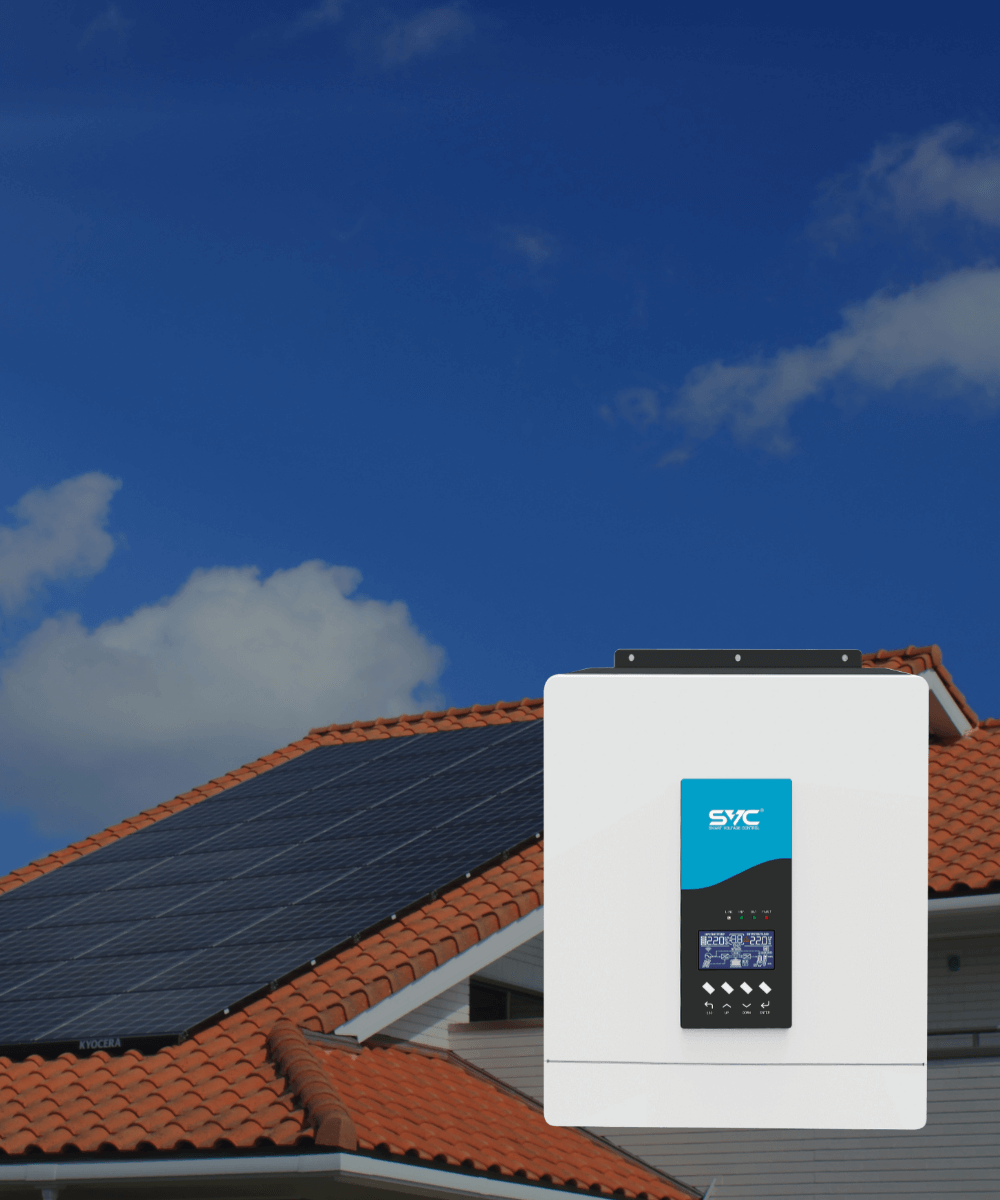
An Off-Grid Inverter is the heart of a standalone solar power system. Unlike its grid-tied cousins, it operates completely independently – it doesn't connect to, and cannot synchronize with, the utility grid. Its core function is to convert the direct current (DC) electricity stored in your solar batteries into the alternating current (AC) electricity that powers your household appliances.
Think of it as your personal mini power station manager. It takes the DC power harvested by your panels and stored in batteries, and transforms it into usable AC power, typically producing either modified sine wave or, preferably, pure sine wave output. Beyond just conversion, many modern off-grid inverters also include vital system monitoring capabilities.
Choosing Your Off-Grid Inverter: Key Factors
Selecting the right off-grid inverter is crucial for reliable, efficient power. Here are the three most important factors to consider:
-
Wattage (W): This is paramount. You need to calculate the total wattage of all the appliances you plan to run simultaneously using the inverter.
-
How to Calculate: Add up the wattage ratings of every device. For example:
-
2 Fans: 70W each = 140W
-
1 Refrigerator: 160W
-
1 TV: 100W
-
Total Wattage Needed = 140W + 160W + 100W = 400W
-
-
Rule of Thumb: Always choose an inverter with a continuous power rating higher than your calculated total (e.g., a 500W or 600W inverter for a 400W load), to handle startup surges and provide a safety margin.
-
-
VA Rating (Volt-Amps): The VA rating of an inverter is its apparent power capacity. Since many appliances have a power factor less than 1 (often around 0.8), the VA rating needs to be higher than the total wattage (real power).
-
How to Calculate: Divide your total wattage requirement by the typical power factor (0.8 is a common standard).
-
VA Rating Required = Total Watts / Power Factor
-
Using our 400W example:
400W / 0.8 = 500 VA
-
-
Why it Matters: Choosing an inverter with sufficient VA rating ensures it can handle the actual electrical load your appliances present, preventing overload and potential damage.
-
-
Waveform Type: This determines the quality of the AC electricity produced:
-
Pure Sine Wave: The gold standard. Produces smooth, grid-quality electricity compatible with all appliances, especially sensitive electronics like laptops, medical equipment, and variable-speed motors (found in newer fridges, tools, and some fans). Highly recommended for most home setups.
-
Modified Sine Wave (MSW): A stepped approximation of a sine wave. Less expensive, but can cause humming in some devices, reduced efficiency, potential damage to sensitive electronics, or malfunction in appliances with timers or motors. Compatibility varies.
-
Square Wave: The most basic and least common type. Generally unsuitable for most modern appliances due to very poor power quality. Avoid for home use.
-
SVC Power Off-Grid Solar Inverter: Recommendations
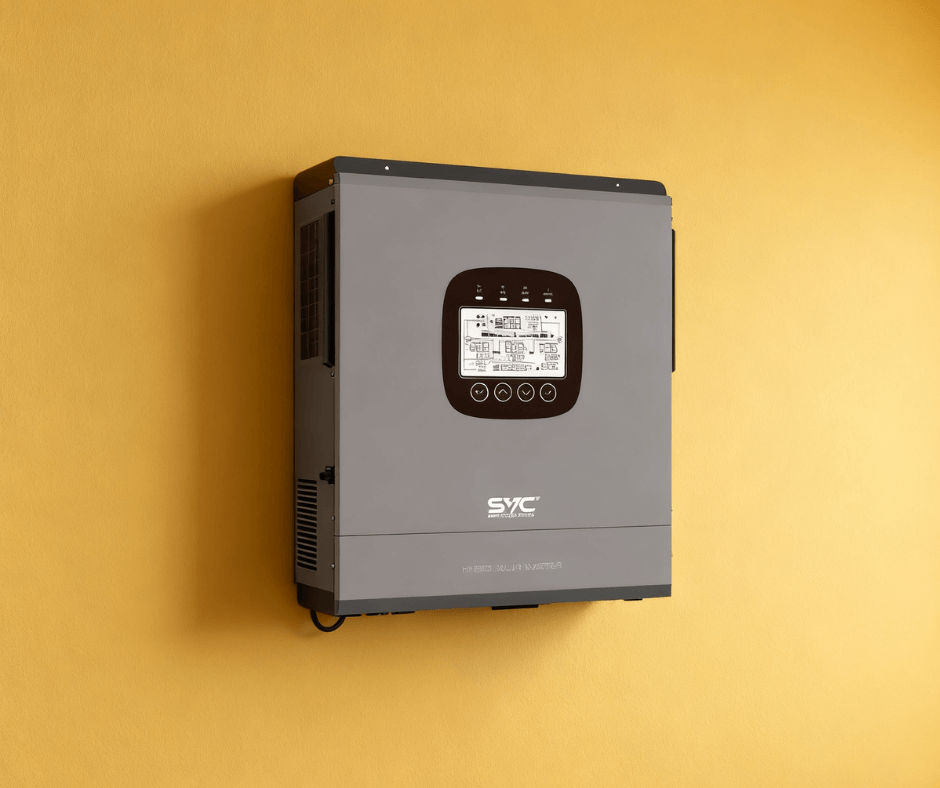
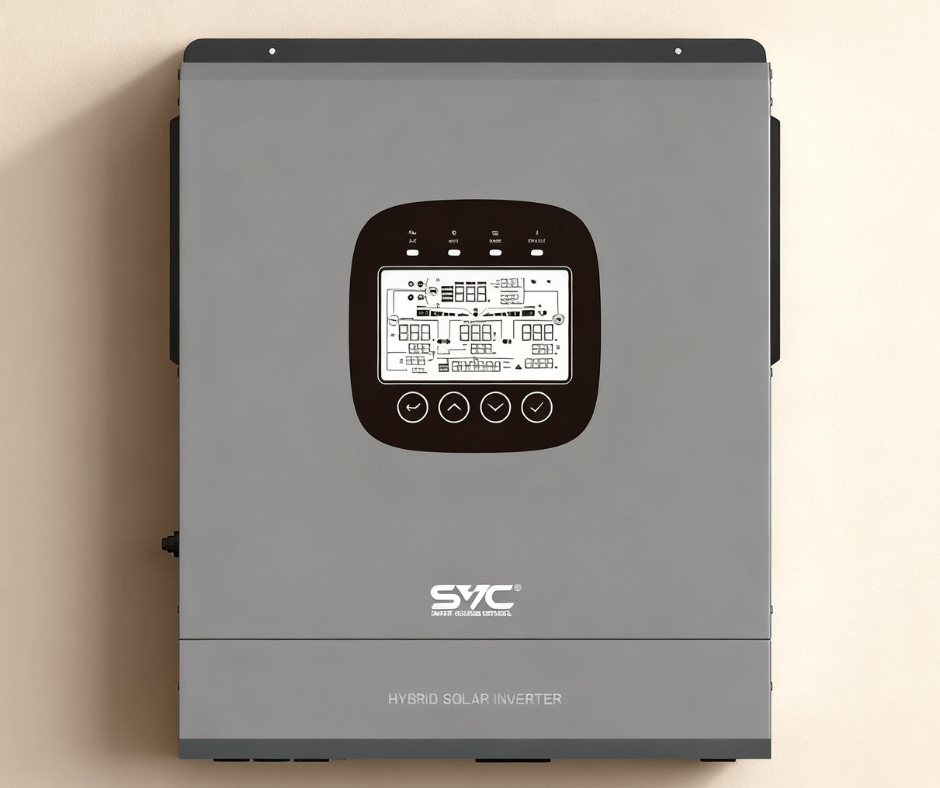
We are the manufacturer of Solar Components, including off-grid solar inverter, solar battery, home energy storage system and solar generator. All of our off-grid inverters are built-in MPPT solar charge controller and with pure sine wave outputs.


Conclusion
What is Hybrid Inverter and How Does it Work
Solar Hybrid Inverters: Your Guide to Smarter Solar Power
If you are looking for the products for your business please
contact us

+86 75782782286


Headquaters: Block7, No.115, ZhangChayi Road, Foshan, Guangdong, China