
Portable Power Stations vs. Solar Generators: What's the Real Difference
Portable Power Stations

Solar Generators

Portable Power Stations vs Solar Generators: How They Operate
- Wall Outlet: The fastest and most convenient charging method. A 500Wh unit typically charges in 3–5 hours.
- Car Adapter: Useful on the road but slower, taking 6–8 hours or more.
- Solar Charging (Optional): Some models support solar panel input, but this is usually a secondary feature. SVC Portable Power Station with Solar Charging. Once charged, the stored power can be used via USB ports, DC outlets, or AC sockets to power a range of devices.
- Converted to alternating current (AC) through an inverter.
- Stored in a built-in or connected battery.
- Distributed through output ports as needed, either immediately or at a later time.
Key Components of Portable Power Stations and Solar Generators
Portable Power Stations
Solar Generators
Final Thoughts
Both portable power stations and solar generators offer reliable, efficient, and clean alternatives to traditional fuel-powered generators.
-
Choose a portable power station if you prioritize quick charging, simplicity, and short-term usage. They're ideal for weekend trips, small devices, and occasional emergency backup.
-
Opt for a solar generator if you need a renewable, off-grid solution for longer durations, especially in remote or outdoor environments.
Ultimately, your choice should reflect your power demands, portability preferences, access to charging options, budget, and sustainability goals. By carefully evaluating these factors, you can confidently invest in a power solution that supports your lifestyle and energy needs. If you are looking for the manufacturer of portable power stations and solar generators, contact us.
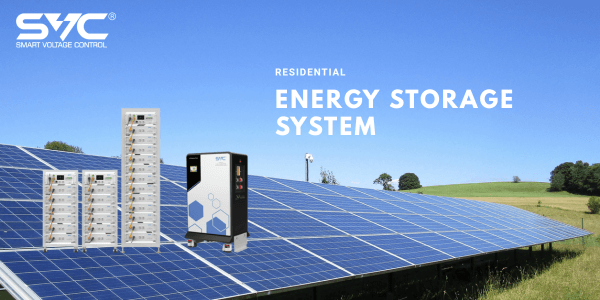
All-in-One Energy Storage System The Integrated Home Solar Storage Solution
Residential All-in-One ESS: Future of Home Energy Independence

If you are looking for the products for your business please
contact us

+86 75782782286


Headquaters: Block7, No.115, ZhangChayi Road, Foshan, Guangdong, China