Understanding All-in-One Inverter Systems

What is an All-in-One Inverter System?
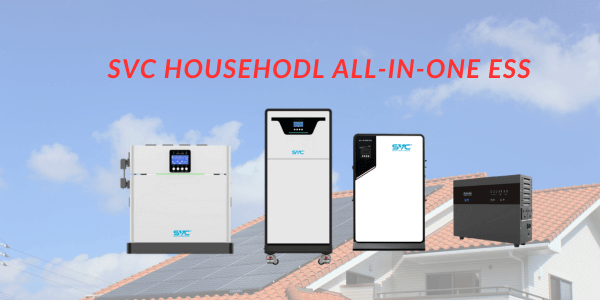
An All-in-One inverter system is a unified device that combines the critical components of a solar and battery storage system into a single, integrated piece of equipment. Rather than installing and connecting several separate boxes, users can rely on one comprehensive unit to handle energy conversion and storage.
The system typically houses three core components:
-
Inverter: This is the heart of the system. It converts the Direct Current (DC) electricity generated by solar panels (or released from batteries) into Alternating Current (AC) electricity, which is required to power standard household appliances and electronics.
-
Charge Controller: This component acts as a regulator. It manages the flow of electricity from the solar panels to the battery, ensuring the battery is charged efficiently and safely without being damaged by overcharging.
-
Battery Storage: Integrated energy storage, typically using modern lithium-ion technology, allows the system to store excess solar power. This stored energy can then be used during peak hours, at night, or as a backup power source during a grid outage.
The Purpose of Integration
The primary goal of an All-in-One design is to simplify the adoption and management of solar energy. By engineering these components to work together seamlessly from the start, the system eliminates the guesswork and complexity often associated with piecing together a custom setup. It provides a complete, turnkey solution for both energy conversion and storage.
Key Advantages
The integrated nature of these systems offers several compelling benefits for homeowners and businesses:
-
Simplified Installation: With fewer individual components to mount and wire, the installation process is significantly faster and less labor-intensive. This reduces the potential for wiring errors and gets the system up and running quickly.
-
Reduced Space Requirements: An All-in-One unit has a much smaller footprint than a multi-component system. Its sleek, enclosed design takes up less wall space and offers a cleaner, more aesthetically pleasing appearance.
-
Easier System Management: These systems come equipped with integrated software that provides a centralized platform for monitoring and control. Users can easily track solar production, battery status, and energy consumption from a single interface, often via a smartphone app or web portal.
-
Enhanced Performance Management: The built-in software is not just for monitoring; it actively manages the system's performance. It optimizes when to store energy, when to use it, and how to interact with the grid to maximize efficiency and savings automatically.
In summary, the All-in-One inverter system is designed for convenience and efficiency. It is an ideal solution for those seeking a reliable, space-saving, and user-friendly way to harness solar power and manage home energy storage.
Key Differences: All-in-One vs. Traditional ESS
Navigating the Landscape of Energy Storage Systems: A Comprehensive Guide
If you are looking for the products for your business please
contact us

+86 75782782286


Headquaters: Block7, No.115, ZhangChayi Road, Foshan, Guangdong, China