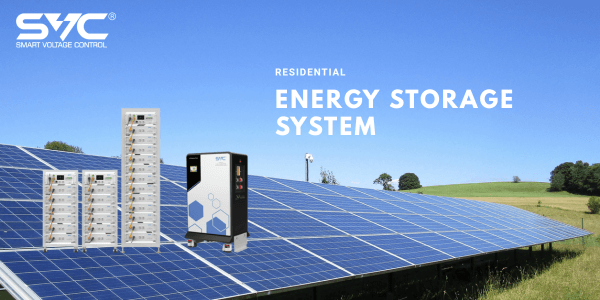
Residential All-in-One ESS: Future of Home Energy Independence
What is a Residential All-in-One Energy Storage System?
A all-in-one ESS energy storage system for home is a fully integrated solution that combines:
-
Solar inverter – Converts DC electricity from solar panels into AC power for home use.
-
Lithium-ion battery – Stores excess solar energy for nighttime or emergency use.
-
Battery Management System (BMS) – Ensures safe and efficient battery operation.
Unlike traditional energy storage setups that require separate installations for each component, an all-in-one system simplifies the process by offering a pre-configured, plug-and-play solution.
Key Features and Benefits
- Integrated Design for Easy Installation
All-in-one systems are pre-assembled, reducing installation complexity and time. Homeowners can enjoy a faster and more cost-effective setup without the need for multiple components.
- High Efficiency and Optimized Energy Management
With advanced energy management technology, the system intelligently optimizes power flow between solar panels, batteries, and household loads, ensuring maximum efficiency and cost savings.
- Scalability and Modular Expansion
Many all-in-one energy storage systems offer modular expansion options, allowing homeowners to increase battery capacity based on their energy needs.
- Seamless Compatibility with Solar and Grid Systems
Designed to work with both solar panels and the power grid, these systems allow users to store solar energy for self-consumption, sell excess electricity back to the grid, or rely on stored power during blackouts.
- Smart Monitoring and Remote Management
Equipped with Wi-Fi or mobile app connectivity, users can monitor their energy production, battery status, and consumption in real time, optimizing energy usage from anywhere.


Why Choose Our All-in-One Energy Storage System?
Advanced Technology & Reliable Performance
Our energy storage systems use high-quality lithium-ion batteries with long cycle life, high safety standards, and superior performance under various conditions.
Strong R&D and Manufacturing Capabilities
With over 20 years of expertise in power electronics, we design and manufacture high-quality energy storage solutions, ensuring durability and efficiency.
OEM & ODM Customization Available
We offer tailored solutions to meet the needs of different markets, providing customization options for battery capacity, inverter specifications, and software integration.
Certified for Global Markets
Our products comply with international safety and performance standards, including CE and ISO certifications, ensuring reliability and compliance with local regulations.
FAQ
1. What is a Residential All-in-One Energy Storage System?
A residential all-in-one energy storage system is a fully integrated solution that combines a solar inverter, lithium battery, battery management system (BMS), and energy management software into a single unit. It allows homeowners to store solar energy for later use, ensuring energy independence and backup power during grid outages.
2. How does an all-in-one energy storage system work?
The system stores excess electricity generated by solar panels in a built-in battery. When solar production is low (such as at night or on cloudy days), the stored energy is used to power household appliances. It can also provide backup power during grid failures.
3. What are the main advantages of using an all-in-one energy storage system?
- Easy installation – Integrated design reduces installation complexity and costs.
- High efficiency – Optimized energy management minimizes energy loss.
- Compact and space-saving – Requires less space compared to separate components.
- Seamless backup power – Automatically switches to battery power during blackouts.
- Smart monitoring – Remote control and real-time monitoring via mobile apps.
4. How long can the battery supply power during an outage?
Battery backup time depends on capacity and power consumption. For example, a 10kWh ess system can typically power essential loads (lights, refrigerator, WiFi, etc.) for 8–12 hours. Larger battery capacities offer extended backup.
5. Can the system work without solar panels?
Yes. While designed for solar integration, the system can also charge from the grid and provide backup power during blackouts, similar to a UPS backup power (Uninterruptible Power Supply).
6. Is the system compatible with existing solar panels?
Most all-in-one energy storage systems are compatible with common solar panel brands. However, it is important to check voltage and capacity compatibility before installation.
7. Can I expand the battery capacity in the future?
Many systems support modular battery expansion, allowing users to add more storage as their energy needs grow.
8. Does the system require maintenance?
All-in-one systems require minimal maintenance. Regular software updates, occasional battery health checks, and ensuring proper ventilation help maintain optimal performance.
Portable Power Stations vs. Solar Generators: What's the Real Difference

If you are looking for the products for your business please
contact us

+86 75782782286


Headquaters: Block7, No.115, ZhangChayi Road, Foshan, Guangdong, China