
Benefits of Lithium UPS
In the modern digital landscape, downtime is not an option. As data centers, server rooms, and edge computing sites evolve, so too must the technology that protects them. For decades, the Uninterruptible Power Supply (UPS) industry has relied on Valve-Regulated Lead-Acid (VRLA) batteries. However, a significant shift is underway.
Lithium Powered UPS systems are rapidly becoming the new standard. Specifically, the Lithium-Iron Phosphate (LiFePO4) chemistry is leading the charge. Known as the safest and most stable lithium chemistry available, it is transforming how businesses approach backup power.
If you are evaluating a Lithium UPS for your facility, here are the critical benefits you need to know.
Longer Lifespan of Lithium UPS
The most immediate advantage of a Lithium Powered UPS is its remarkable lifespan.
-
Extended Design Life: While traditional VRLA batteries typically last 3-5 years, Lithium-Iron batteries often feature a design life of 8-10 years. This drastically reduces the frequency of costly forklift upgrades and battery replacements.
-
Superior Cycle Life: Lithium chemistry can withstand thousands of charge/discharge cycles. In environments with frequent power disturbances, a Lithium UPS will outlast lead-acid batteries by a wide margin, as the latter are limited to only a few hundred cycles.
Although the upfront investment for lithium is higher than lead-acid, the Total Cost of Ownership (TCO) is often lower. This is due to fewer replacements, reduced maintenance, and lower labor costs over the system's life.
Smaller and Lighter of Lithium Battery UPS
Space is a premium asset in any server room or data center. Lithium batteries boast a higher energy density than their lead-acid counterparts.
-
Reduced Footprint: A Lithium Powered UPS can store significantly more energy in a smaller space. Businesses often see a 40-60% reduction in the battery footprint.
-
Lighter Weight: This reduction in size also translates to less weight, making handling easier and reducing the floor loading requirements in raised-floor environments.
Faster Recharging
Lithium UPS systems solve this problem. They can often recharge to 100% capacity in just 1-2 hours. In contrast, lead-acid batteries can take 8-16 hours to fully recharge. This rapid recovery ensures your facility is prepared for the next power event much sooner.
Superior Power Output and Runtime
When an outage occurs, performance matters. Lithium batteries are capable of delivering higher currents for extended periods. This means a Lithium Powered UPS can support larger loads or provide extended runtime without requiring a massive increase in battery capacity. This high power density ensures your critical IT equipment stays online longer.
Wider Temperature Tolerance and Lower Cooling Costs
Heat is the enemy of battery life, particularly for lead-acid. However, Lithium-Iron batteries are far more resilient.
They operate efficiently and maintain their lifespan across a much wider temperature range. This tolerance reduces the demand for intensive air conditioning in the data center, leading to lower cooling costs and improved energy efficiency (PUE).
Enhanced Safety with Battery Management Systems
Safety is the primary concern when dealing with energy storage. While all batteries contain energy, Lithium UPS systems are engineered to be extremely safe.
Modern Lithium Powered UPS systems include an integrated Battery Management System (BMS). This electronic brain continuously monitors charge levels, voltage, and internal temperatures. By actively managing the battery pack, the BMS prevents issues like overcharging and overheating, effectively mitigating the risk of thermal runaway.
Common Applications for Lithium UPS
Because of their reliability and compact size, Lithium-Iron UPS systems are becoming the preferred choice for:
-
Data Centers: Where space and TCO are critical metrics.
-
Server Rooms and Network Closets: Where lightweight installation is beneficial.
-
FED/SLED Applications: Where long life and reliability are mandatory.
-
Sustainability-Focused Regions: Particularly in areas of the United States where clean energy initiatives are prioritized, the recyclability and longevity of lithium support "green" goals.

Conclusion
The transition from legacy lead-acid batteries to Lithium Powered UPS systems represents a significant leap forward in critical power protection. With longer lifespans, faster recharge times, a smaller footprint, and advanced safety features, Lithium-Iron technology offers a compelling solution for any modern business.
If you are planning a data center upgrade or a new build, exploring the benefits of a Lithium UPS is not just an option—it is a strategic advantage.
SVC Lithium UPS vs. Traditional Lead Acid: Why Upgrade to Lithium Battery UPS Technology?
Modular UPS vs. Integrated UPS: What are the Differences?
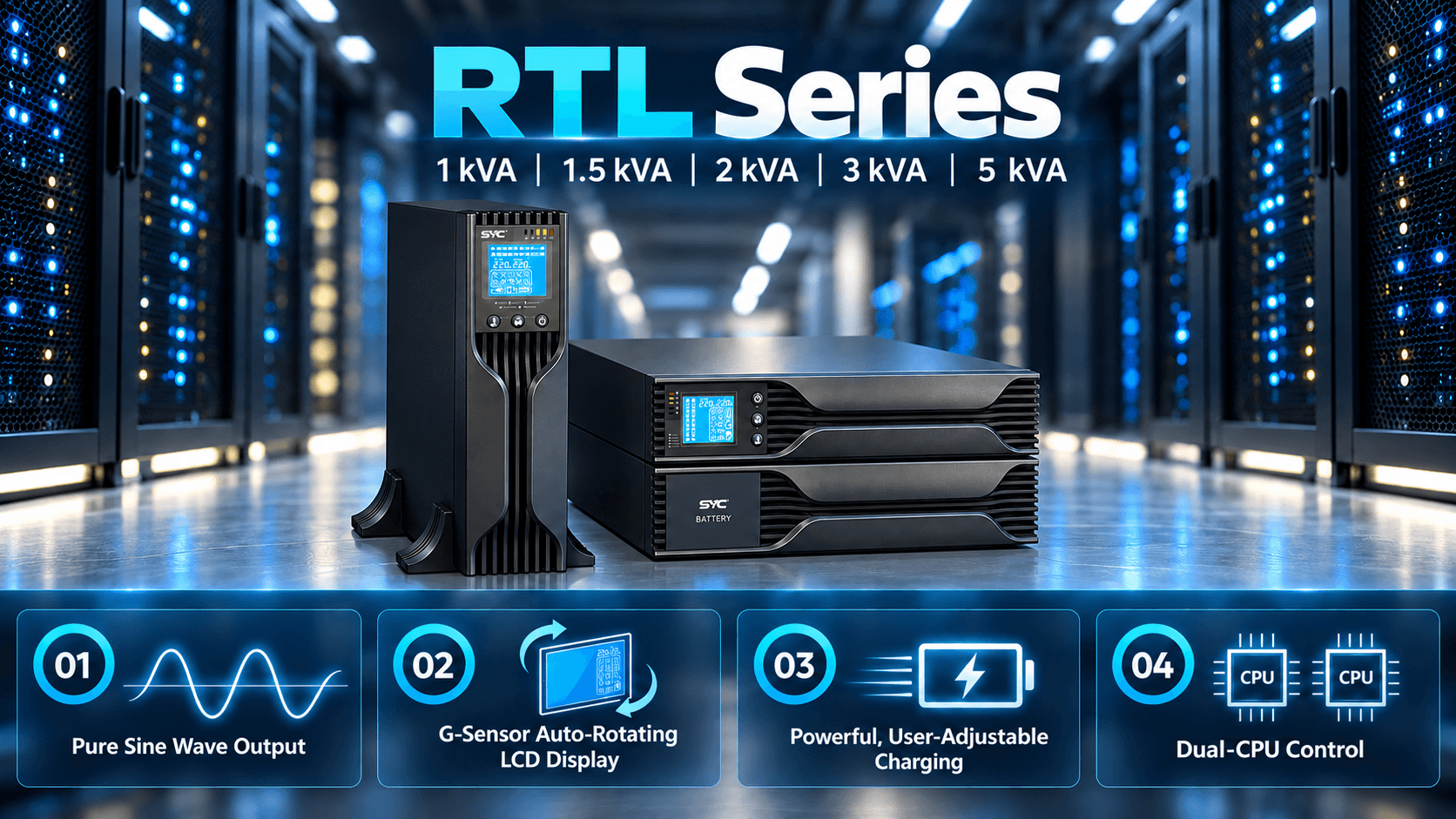
If you are looking for the products for your business please
contact us

+86 75782782286


Headquaters: Block7, No.115, ZhangChayi Road, Foshan, Guangdong, China