
Dual Voltage UPS: The Power Solution for Mixed-Voltage Environments
What is a Dual Voltage UPS?
At its core, a dual voltage UPS is a power protection system that can simultaneously or selectably deliver two different output voltages from a single unit. This is not merely a transformer bolted onto a standard UPS; it’s an engineered system where the power stages are designed with a multi-voltage output capability.
Key Advantages of a Dual Voltage UPS
The value proposition of a dual voltage UPS goes beyond simple voltage conversion. Its advantages are systemic:
-
Space and Cost Optimization: Traditional setups require a standard single-voltage UPS, plus one or more separate step-down or step-up transformers, cabling, and distribution panels. A single dual voltage UPS unit consolidates all of this, significantly reducing the system's physical footprint and upfront capital expenditure.
-
Improved System Reliability and Efficiency: Fewer components mean fewer potential points of failure. An integrated transformer inside a UPS is purpose-built for the system's thermal and electromagnetic profile. Furthermore, modern transformer-based designs provide full galvanic isolation, which blocks common-mode electrical noise and protects sensitive equipment.
-
Simplified Deployment and Management: Consolidation means one unit to install, one set of batteries to maintain, and a unified monitoring interface. This drastically simplifies logistics, service, and remote network management for IT and facilities teams.
-
Bridging Legacy and Modern Equipment: This is perhaps the most critical advantage. A dual voltage UPS allows facilities to seamlessly power legacy 110V equipment alongside modern, high-efficiency 208V or 220V servers, ensuring business continuity during transitional upgrade cycles without requiring separate power protection "islands."
Application of Dual Voltage UPS
The need for a dual voltage UPS arises wherever voltage standards collide. Primary deployment scenarios include:
-
Mixed-Voltage Data Centers: As data centers evolve, high-voltage (240V/208V) distribution is preferred for efficiency, but a vast amount of equipment—like switches, routers, and KVM systems—still requires 120V. A dual voltage UPS offers a unified, backup-protected power source for both, all from one cabinet.
-
International Laboratories and Test Facilities: A research lab often houses precision instruments sourced globally. An oscilloscope from the U.S. (110V) might sit next to a spectrometer from Germany (220V). A dual voltage UPS ensures that both can operate safely and without interruption from the local grid, providing clean, isolated power to each.
-
Telecom and Industrial Control Rooms: These environments commonly mix standard utility voltage (e.g., 220V for servers and monitors) with a specialized DC or AC system voltage (e.g., 48V DC for telecom switches, 110V AC for field instruments). A ruggedized dual voltage UPS can replace multiple disparate power systems with a single, manageable solution.
-
Colocation and Managed Service Providers: A colo provider has no control over the voltage requirements of client equipment. By deploying a dual voltage UPS with both 120V and 208V output power strips, the provider can offer flexible, on-demand power to a vastly wider range of customers without changing its core infrastructure.
Introducing SVC Dual Voltage UPS Series
1. SLB Series: Intelligent Power Protection with Rapid Transfer

2. Online HV Series: True Double-Conversion Power for Mission-Critical Applications
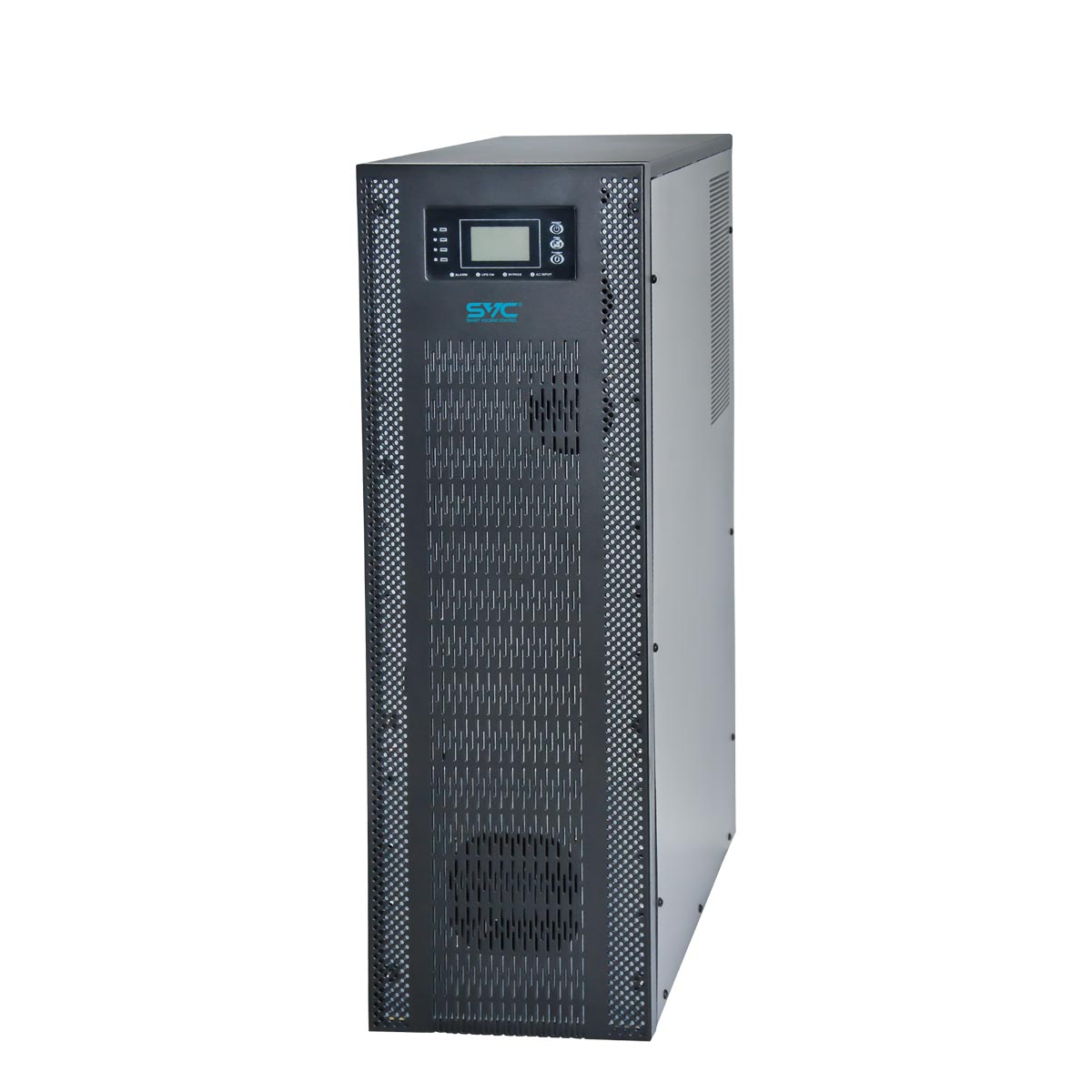
3. VB Series: Reliable Backup with Smart AVR for Everyday Use

The Definitive Guide to UPS Technology, Sizing, and Design
5 Essential Tips for Choosing the Right Power Backup
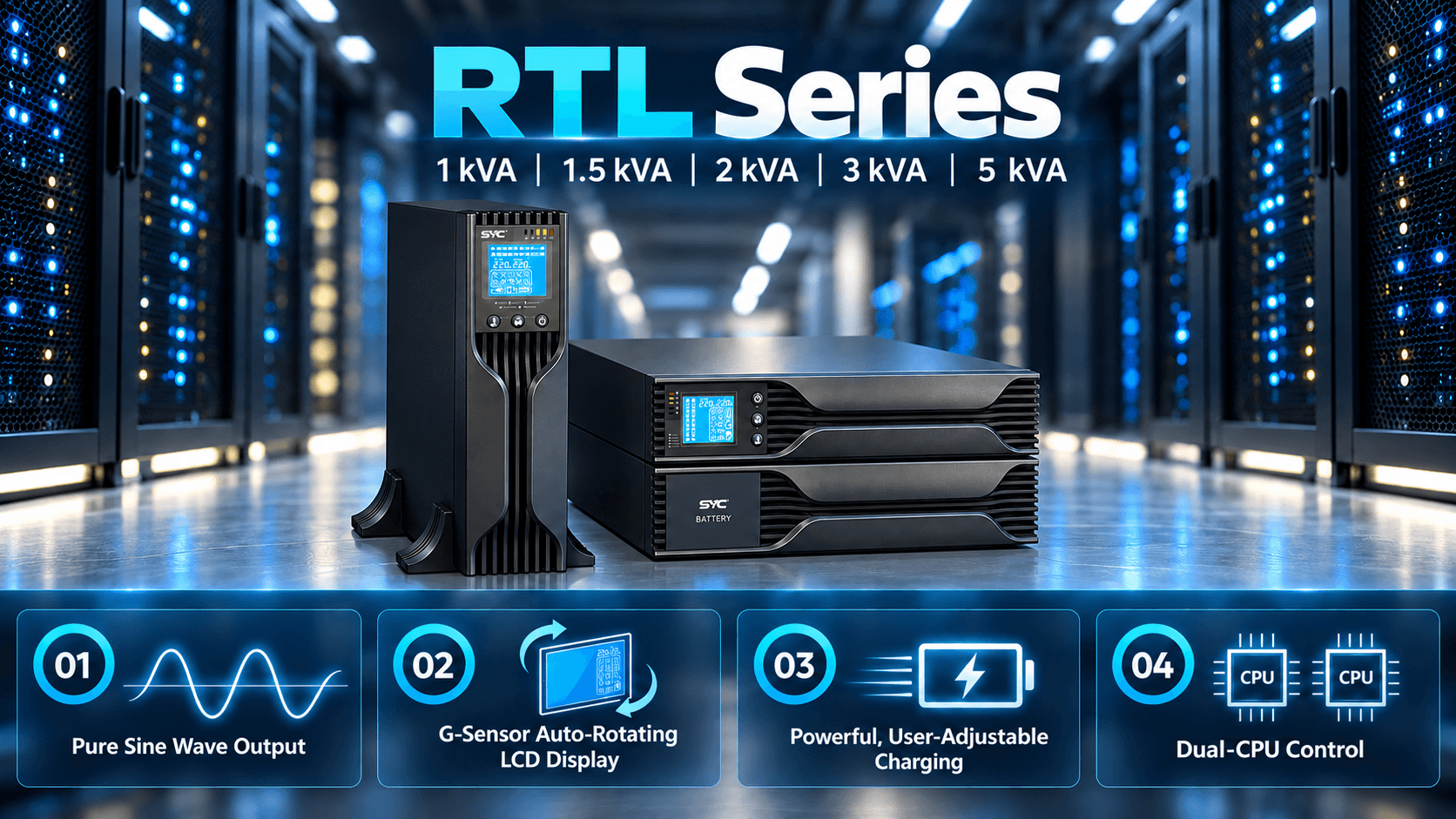
If you are looking for the products for your business please
contact us

+86 75782782286


Headquaters: Block7, No.115, ZhangChayi Road, Foshan, Guangdong, China