
What is the Difference Between Industrial UPS and Commercial UPS?
In today's world, where power stability is crucial for various operations, Uninterruptible Power Supplies (UPS) play a vital role in ensuring continuous power availability. While both industrial and commercial UPS systems provide backup power, they serve different purposes and environments. Understanding their differences can help businesses choose the right system for their needs.
Definition of Industiral UPS and Commercial UPS
The industrial UPS power supply generally refers to the uninterruptible power supply used in key equipment in the power, petrochemical, metallurgical and other industries. It generally uses phase-controlled rectification and high-frequency inverter technology. The most common mode of operation in 3-phase UPSs is called Online Double Conversion. It delivers the highest level of power quality and is historically used to protect critical loads. While Commercial UPS systems find applications in various industries, including data centers, insurance companies, financial institutions, and other sectors. High-frequency rectification and high-frequency inverter technology are commonly in most commercial UPS systems. These systems are with non-isolated mains, bypass, DC, and output configurations.
Industrial UPS: Built for Harsh Environments
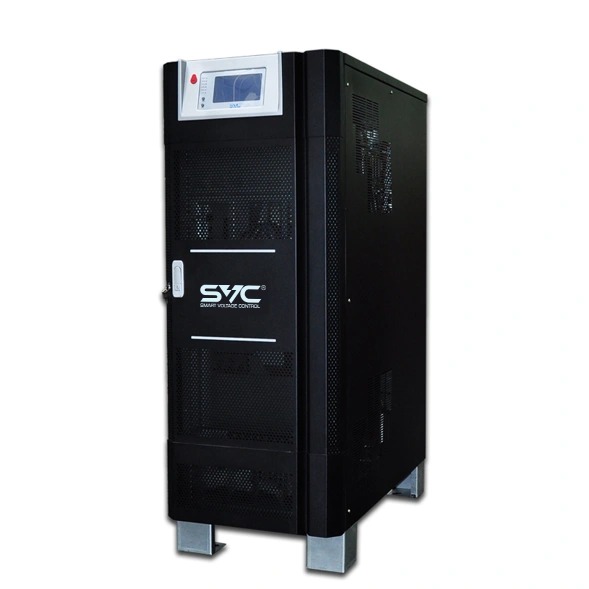
Industrial UPS systems are designed to operate in demanding environments where reliability is paramount. Here are some key features:
1. Rugged Design
Industrial UPS systems are built to withstand extreme temperatures, humidity, dust, and other environmental challenges. Their robust design ensures they function effectively in harsh conditions, such as manufacturing plants, oil rigs, and mining sites.
2. High Power Capacity
These systems often support higher power capacities and can handle large-scale industrial equipment. They are equipped to manage substantial power loads, ensuring that critical industrial processes are not interrupted.
3. Advanced Monitoring and Control
Industrial UPS systems come with sophisticated monitoring and control features. They provide real-time data and diagnostics to help in proactive maintenance and quick problem resolution, minimizing downtime.
 |


Commercial UPS: Designed for Office and Business Environments
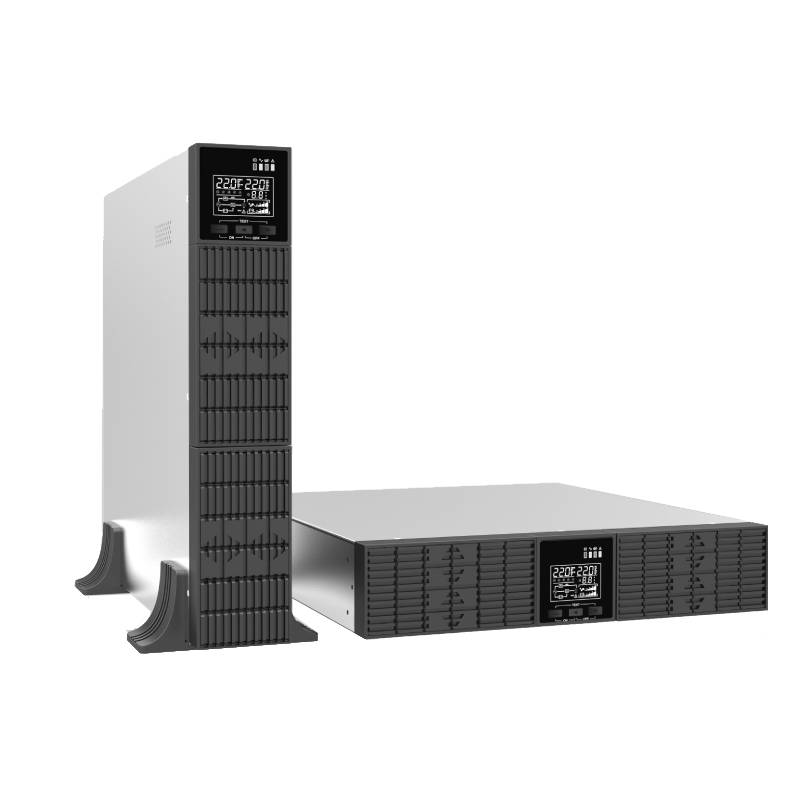
Commercial UPS systems are tailored for less demanding environments compared to their industrial counterparts. They are ideal for office settings, retail outlets, and data centers. Here are their main features:
1. Cost-Effective Solutions
Commercial UPS systems are more cost-effective, making them suitable for businesses that do not require the high power capacities of industrial systems. They provide reliable power backup for office equipment, computers, and servers.
2. Compact and User-Friendly
These systems are typically more compact and easier to install and maintain. They are designed to fit into office spaces without significant modifications.
3. Energy Efficiency
Commercial UPS systems often focus on energy efficiency to reduce operational costs. They are designed to provide sufficient backup power while minimizing energy consumption during normal operations.
Key Differences Between Industrial and Commercial UPS
1. Application Environment
Industrial UPS systems are built for rugged environments, while commercial UPS systems are designed for controlled, less demanding settings.
2. Power Capacity and Scalability
Industrial UPS units offer higher power capacities and scalability to support large-scale operations, such as Data centers, colocation facilities, light industry and commercial buildings, Telecommunications and networking and Infrastructure and transportation. Whereas commercial UPS units cater to smaller power requirements, like offices, retail stores, or data centers with relatively lower power demands.
3. Cost and Maintenance
Commercial UPS systems are generally more cost-effective and require less maintenance compared to the more robust and complex industrial UPS systems.
4. Customization and Features
Industrial UPS systems often come with customizable options and advanced features tailored to specific industry needs, whereas commercial UPS systems offer standard configurations suitable for most businesses.
Conclusion
Choosing between an industrial and commercial UPS system depends on the specific needs and environment of your operation. Industrial UPS systems offer ruggedness and high capacity for demanding environments, while commercial UPS systems provide cost-effective, energy-efficient solutions for office and business settings. Understanding these differences ensures you select the right UPS system to maintain power continuity and protect your critical assets.
Discover more about SVC Industrial UPS and Commercial UPS
SVC Lithium Battery Powered UPS: Improving the Business Efficiency
Differences Between Single Phase UPS and Three Phase UPS
If you are looking for the products for your business please
contact us

+86 75782782286


Headquaters: Block7, No.115, ZhangChayi Road, Foshan, Guangdong, China