
Differences between Off-grid Inverter and On-grid Inverter
When choosing an inverter for a solar power system, understanding the differences between off-grid and on-grid inverters is crucial. These inverters serve different purposes and are designed with distinct components, power handling capabilities, functionalities, and application scenarios.
1. Components between Off-grid Inverter and Grid-tied Inverter
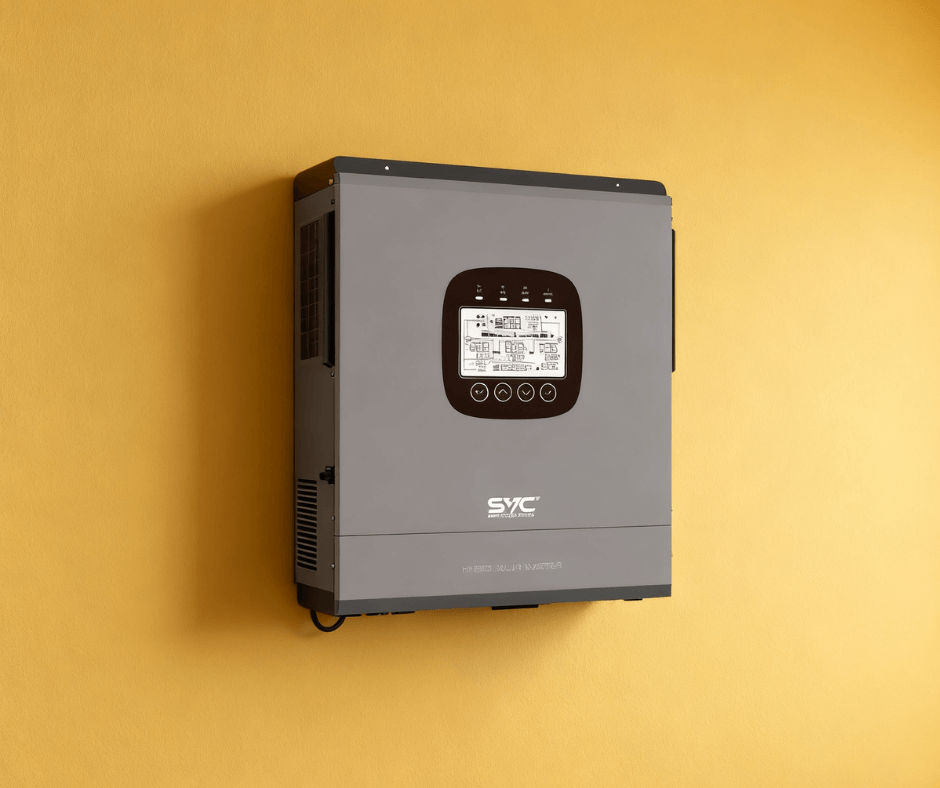
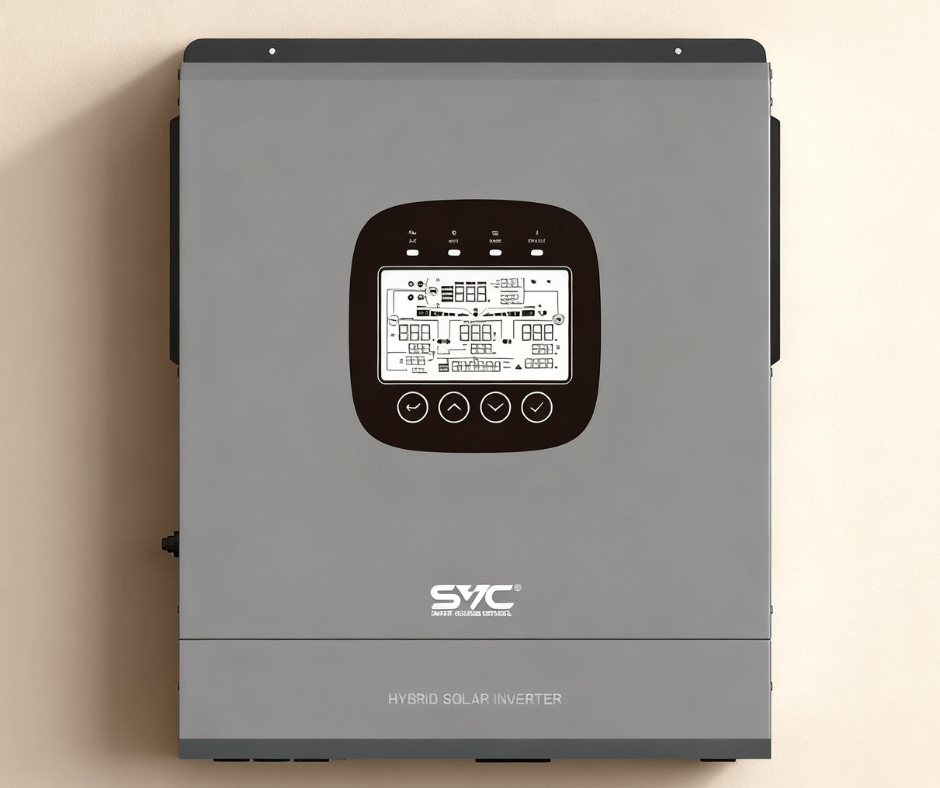
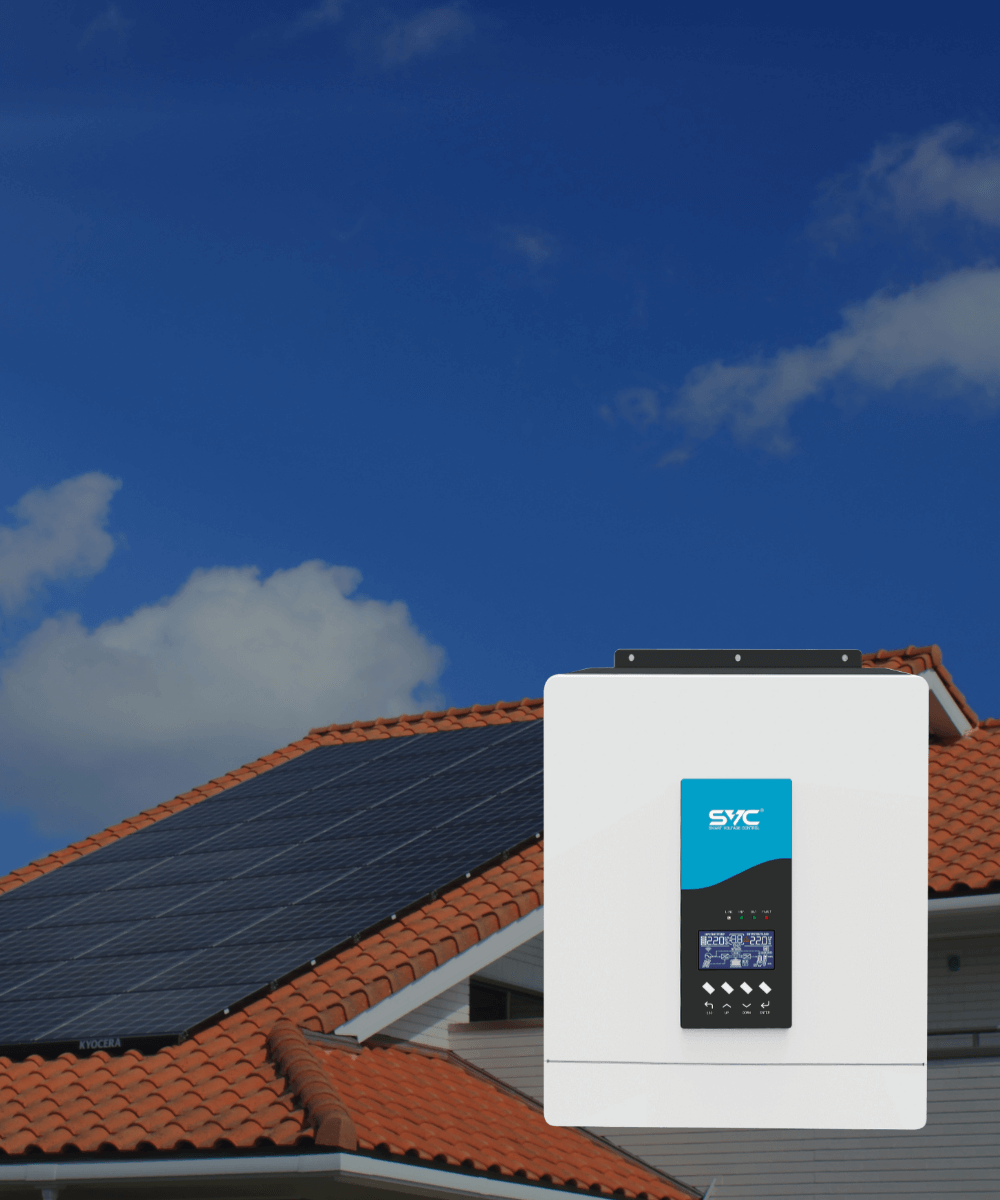
Off-grid Inverter: An off-grid inverter operates independently of the electrical grid and requires additional components such as batteries and a charge controller. These inverters convert DC electricity from solar panels into AC power for direct use or storage in batteries. SVC Off-Grid Solar Inverter with MPPT solar charge controller.
On-grid Inverter: Also known as a grid-tied inverter, this type does not require batteries. It is directly connected to the utility grid and converts DC power from solar panels into AC power that is either consumed on-site or fed back into the grid.
2. Power Handling
Off-grid Inverter: Typically designed to handle variable loads, off-grid inverters must be able to manage power fluctuations efficiently. They often have lower power ratings since they rely on battery storage and solar input.
On-grid Inverter: These inverters are generally more powerful and capable of handling high wattage. They are optimized for maximum power point tracking (MPPT) to ensure efficient energy conversion and minimize power loss.
3. Functionality
Off-grid Inverter: Since it operates independently, an off-grid inverter includes built-in battery charging and protection features. It also provides a stable power supply in remote locations where grid access is unavailable.
On-grid Inverter: The primary function of an on-grid inverter is to synchronize with the grid, ensuring that excess solar energy is seamlessly exported. Some models include smart features like remote monitoring and reactive power control.
4. Usage Scenarios
Off-grid Inverter: Ideal for remote areas, cabins, RVs, boats, or locations with unreliable grid power. It is suitable for users who seek complete energy independence.
On-grid Inverter: Best suited for urban or suburban homes and commercial buildings that have stable grid access. It is the preferred choice for those looking to reduce electricity bills through net metering or feed-in tariffs.
Conclusion
In summary, off-grid and on-grid inverters cater to different energy needs. Off-grid inverters provide autonomy but require batteries, while on-grid inverters offer efficiency and integration with the utility grid. Choosing the right inverter depends on factors such as location, power requirements, and intended energy usage.
Release time: 2025-02-10
Solar Hybrid Inverters: Your Guide to Smarter Solar Power
MPPT Solar Inverter: What is it and How it Works
Related blog
If you are looking for the products for your business please
contact us

+86 75782782286


Headquaters: Block7, No.115, ZhangChayi Road, Foshan, Guangdong, China