
Differences Between Single Phase UPS and Three Phase UPS

Electricity is a fundamental part of modern society, powering the world from the simplest devices to massive industrial machinery, making daily tasks more convenient. Most of the electrical power we encounter in daily life comes from Alternating Current (AC) sources. Utilities companies distribute this power to customers in two primary forms: single-phase and three-phase. These two power types serve distinct purposes, shaped by the varying power needs of equipment. This distinction is especially apparent in commercial or industrial applications, where larger equipment requires even more power. In today's article, we will explain the differences between single-phase and three-phase power, and how these variances impact system operations.
Understanding Single-Phase Power and Three-Phase Power
Single-phase Power
Three-Phase Power
Key Differences between Three Phase UPS System and Single Phase system
| Single Phase UPS | Three Phase UPS |
|
|
Conclusion
In summary, single-phase and three-phase UPS systems serve different purposes based on their power capacity, efficiency, and application suitability. Understanding these differences is crucial for selecting the right UPS system to ensure reliable power protection for your specific needs. Whether you're protecting a small office setup or a large industrial facility, choosing the appropriate UPS system will help maintain continuous and stable power supply, safeguarding your equipment and operations.
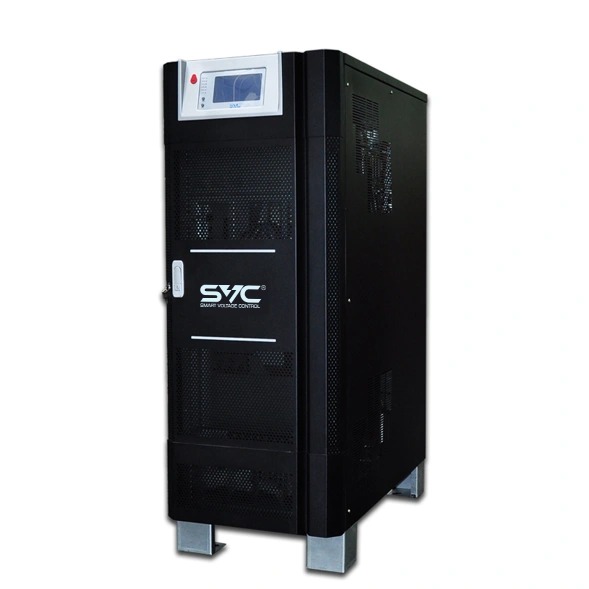
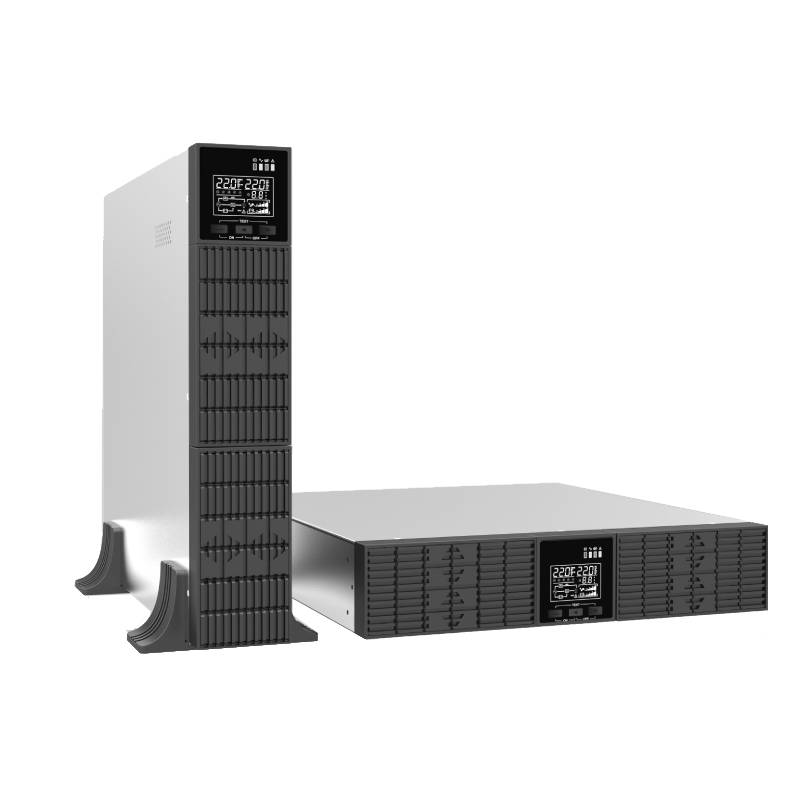
Explore Our Reliable UPS Systems

What is the Difference Between Industrial UPS and Commercial UPS?
Line Interactive UPS vs Online UPS: How to Decide?
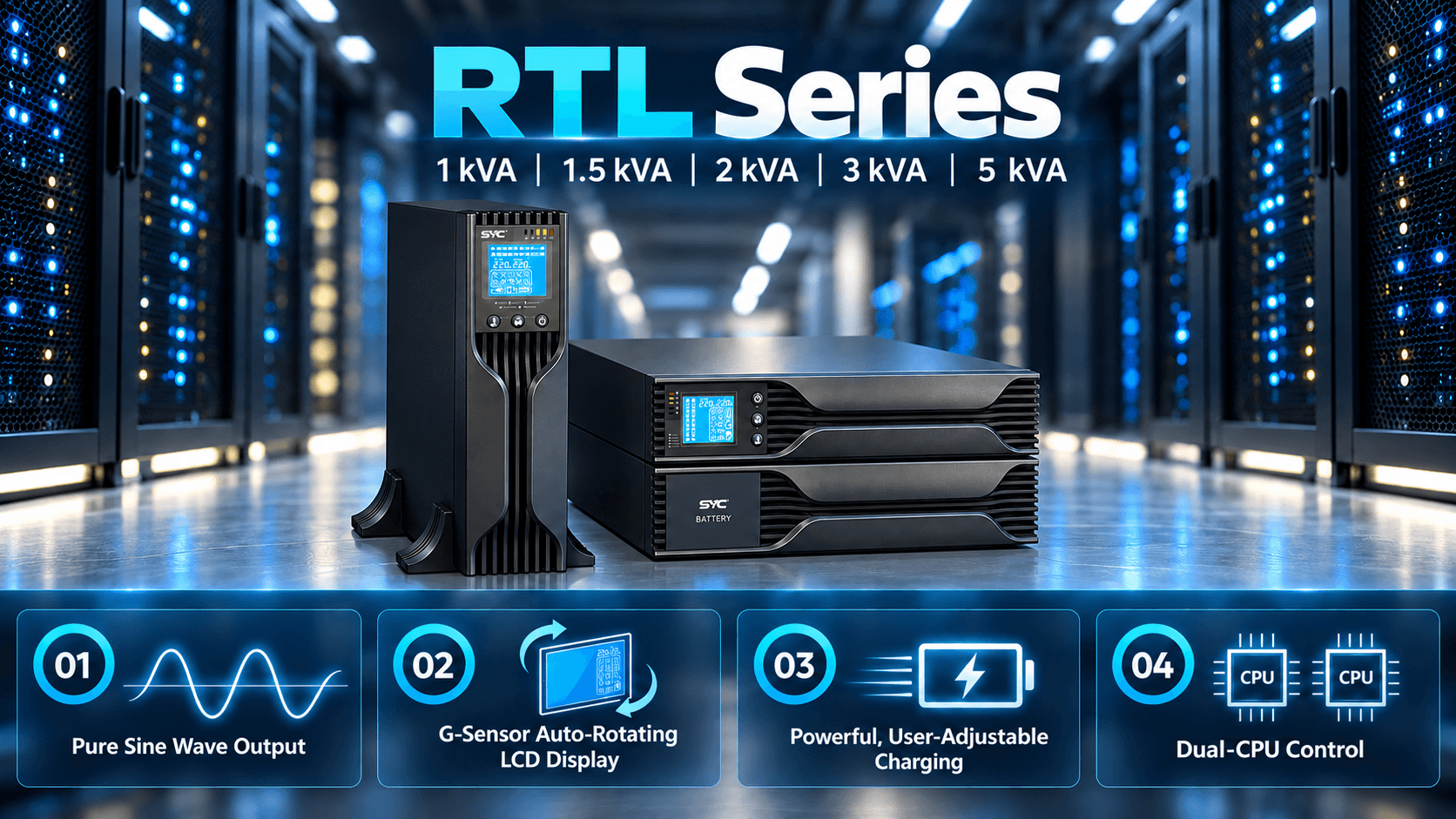
If you are looking for the products for your business please
contact us

+86 75782782286


Headquaters: Block7, No.115, ZhangChayi Road, Foshan, Guangdong, China