
High Frequency Inverter v.s Low Frequency Inverter
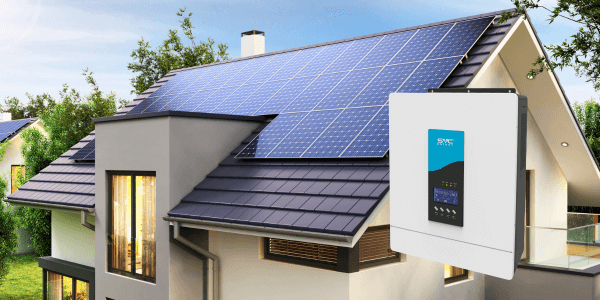
Definition of High Frequency Inverter and Low Frequency Inverter
High Frequency Inverter
The DC-AC conversion in a high frequency inverter typically happens in two stages:
1. High-Frequency DC/DC Conversion
The first stage uses high-frequency DC/DC conversion technology, where low-voltage DC power is converted into high-frequency low-voltage AC. This AC is then passed through a high-frequency transformer to boost the voltage. After this, the power is rectified and filtered to become high-voltage DC, usually above 300V.
2. DC to AC Conversion
In the second stage, the high-voltage DC power is converted into 220V AC at a frequency of 50Hz or 60Hz for use by appliances and devices.
Because high frequency inverters use small-sized, lightweight components, especially in their magnetic core materials, they offer improved power density and reduced no-load losses. This means higher efficiency, with peak conversion efficiencies in small and medium-sized photovoltaic systems (PVS) often reaching above 90%.

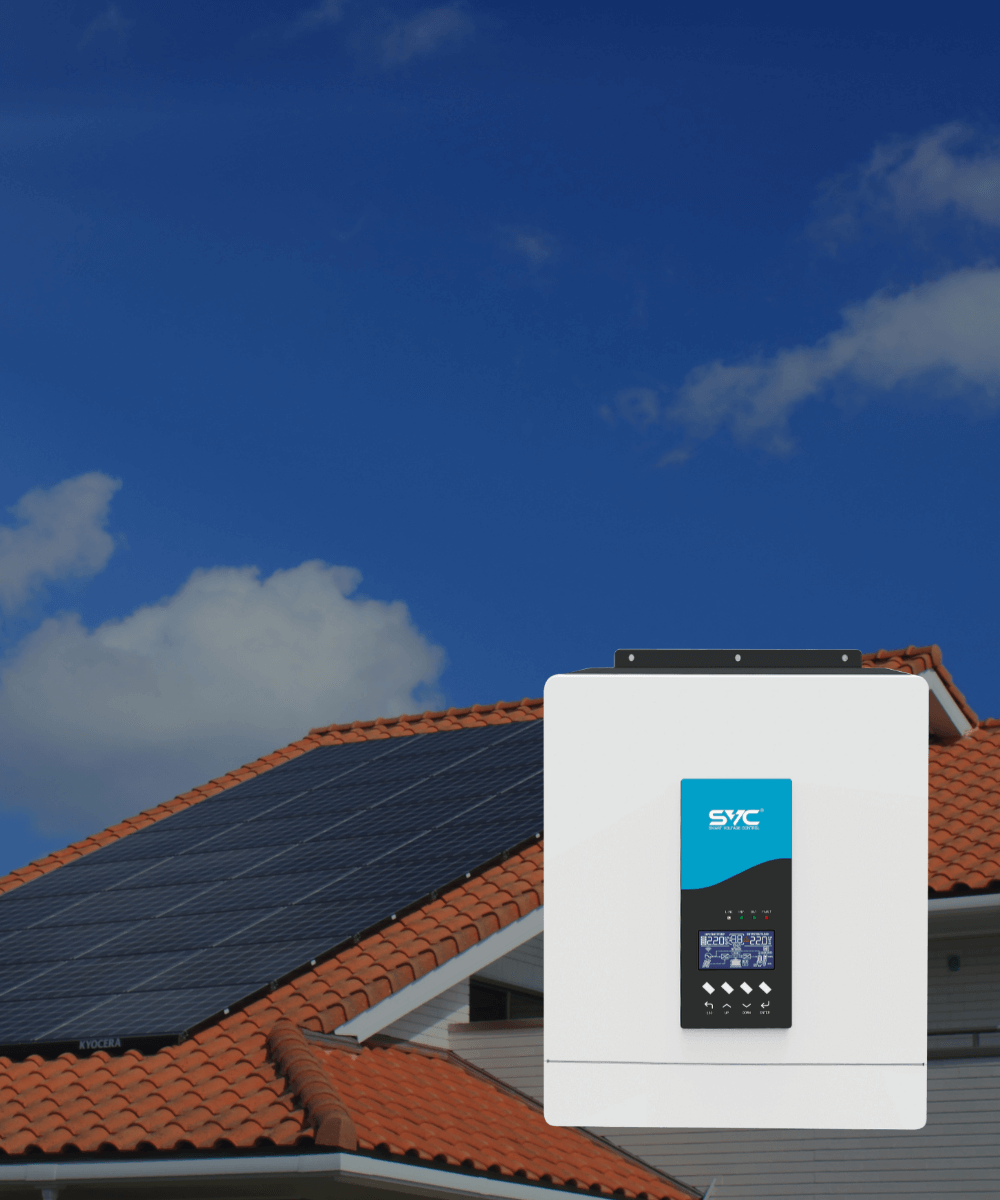
Picture 1: Typical high frequency inverter with small transformer


Low Frequency Inverter
In contrast, a low frequency inverter performs DC-AC conversion in a more straightforward manner:
1. Low-Frequency DC/AC Conversion
The inverter first converts DC power into low-frequency low-voltage AC.
2. Voltage Boosting
The low-voltage AC is then boosted to 220V AC at 50Hz or 60Hz via a low-frequency transformer, ready for use by the load.
Low frequency inverters are known for their simple design and ability to integrate various protection functions at lower voltages. The inclusion of a low-frequency transformer between the inverter and the load ensures stable and reliable operation, with strong overload capacity and impact resistance. Additionally, the transformer helps suppress high-order harmonic components in the waveform, improving the overall power quality.
However, this robustness comes at a cost. Low frequency transformers are bulky and expensive, and their efficiency tends to be lower. The rated efficiency of small low frequency inverters generally stays below 90%. Additionally, the iron loss in low frequency transformers remains constant under full load and light load conditions, leading to higher no-load losses and lower efficiency under lighter loads.

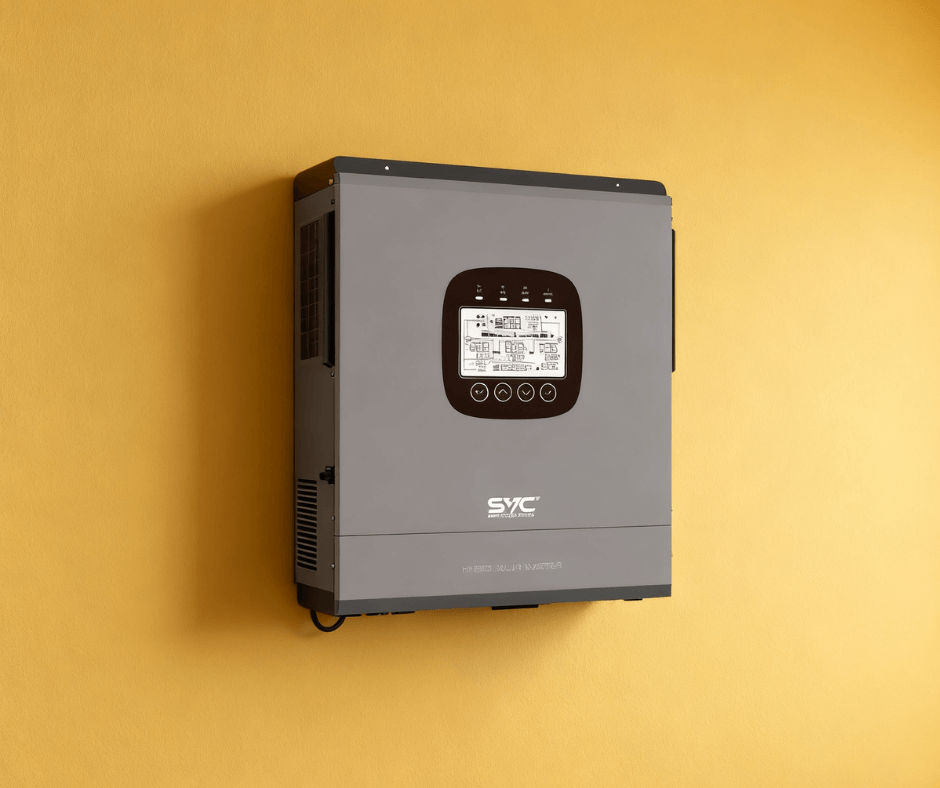
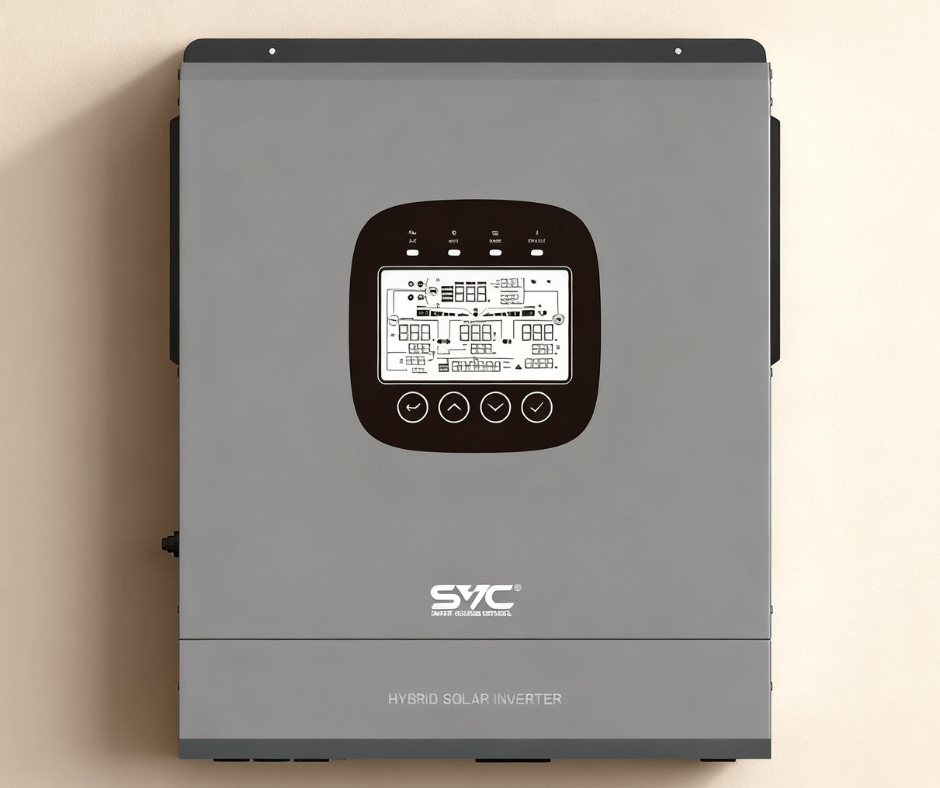
Picture 2. Typical low frequency inverter with heavy duty transformer


Key Differences Between High Frequency and Low Frequency Inverters
- Weight
Low frequency inverters are heavier due to the large transformers they use. In contrast, high frequency inverters can deliver the same power with a much smaller and lighter transformer, making them easier to install and transport.
- Efficiency
While low frequency inverters are better at handling high surge currents and are ideal for heavy-duty applications, their overall efficiency is lower compared to high frequency inverters. High frequency inverters, on the other hand, offer greater efficiency for constant, lighter loads but may struggle with high surge currents or heavy loads.
- Applications
Low frequency inverters are best suited for off-grid systems in extreme conditions, such as industrial settings or remote areas where reliability is key. They excel in powering heavy equipment like motors and compressors. High frequency inverters are more appropriate for residential or small-scale off-grid installations with lighter, more stable loads, such as household appliances or smaller renewable energy systems.
Conclusion
Understanding these differences is crucial when selecting an inverter for your solar or off-grid system. Whether you prioritize efficiency, weight, or the ability to handle heavy loads will help guide you to the right choice. SVC Power is the leading manufacturer of low frequency inverter an high frequency inverter with over 20 years experiences.
Winter Energy Crisis: How Solar Power System as Solution
Off-Grid Solar System Best Self-Sufficient Energy Solution
If you are looking for the products for your business please
contact us

+86 75782782286


Headquaters: Block7, No.115, ZhangChayi Road, Foshan, Guangdong, China