
Modular UPS vs. Integrated UPS: What are the Differences?
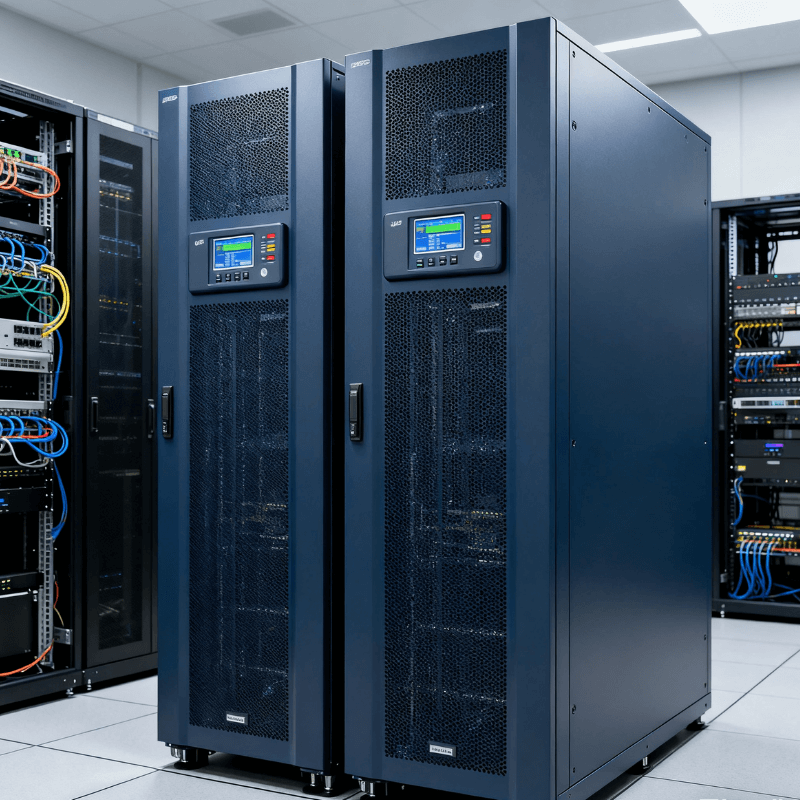
What Is an Integrated UPS?
An Integrated UPS is a complete, all-in-one unit. It is specially designed for outdoor communication equipment, network devices, and traffic control systems. The design focuses on high durability: it is resistant to high and low temperatures, corrosion, dust, and water. It also offers a wide input voltage and frequency range, high reliability, energy efficiency, environmental protection, lightning protection, and remote monitoring functions.

Advantages:
-
Strong protection for outdoor and harsh environments
-
Stable power for communication, network, and traffic systems
-
Cost-effective for fixed applications
Disadvantages:
-
Limited flexibility for capacity expansion
-
Maintenance can be complex and time-consuming
-
Larger and heavier compared to modular designs
What Is a Modular UPS?
A Modular UPS uses a flexible system structure with multiple power modules. Each module can be inserted or removed during operation without affecting power supply. This “hot-swappable” design allows capacity to grow as business needs expand, avoiding over- or under-investment in the initial stage.
Advantages:
-
High reliability: Components such as power modules, static switch modules, and monitoring modules are hot-swappable. The N+X redundancy ensures continuous operation even if one module fails.
-
Easy maintenance: Faulty modules can be replaced quickly without shutting down the system, often by non-specialist staff after basic training.
-
Energy efficient and quiet: Low harmonic distortion (THDI ≤ 3%), minimal noise, and high efficiency (input PF > 0.999, output PF ≥ 0.9).
-
Compact and lightweight: Saves space and reduces installation costs.
-
Lower upfront and future costs: Capacity can be added in stages; no need for heavy structural reinforcement.
Disadvantages:
-
Initial purchase price per kVA can be higher than traditional UPS
-
May require more advanced monitoring for optimal performance
Key Differences Between Modular UPS and Integrated UPS
-
Scalability – Modular UPS allows capacity expansion by adding modules as needed. Integrated UPS has a fixed capacity.
-
Maintenance – Modular UPS supports hot-swapping and fast repairs. Integrated UPS often requires complete shutdown during servicing.
-
Reliability – Modular UPS offers N+X redundancy; a single module failure will not interrupt supply. Integrated UPS may rely on a single system, increasing the impact of a fault.
-
Efficiency & Power Quality – Modular UPS has higher efficiency and lower harmonic distortion. Integrated UPS may have higher THDI and lower power factor.
-
Space & Weight – Modular UPS is more compact and lighter. Integrated UPS is heavier and takes more floor space.
-
Cost Planning – Modular UPS supports staged investment, reducing initial costs. Integrated UPS often requires higher upfront spending.
Top Uninterrupted Power Supply Manufacturer in China
Benefits of Lithium UPS
Types of Uninterruptible Power System
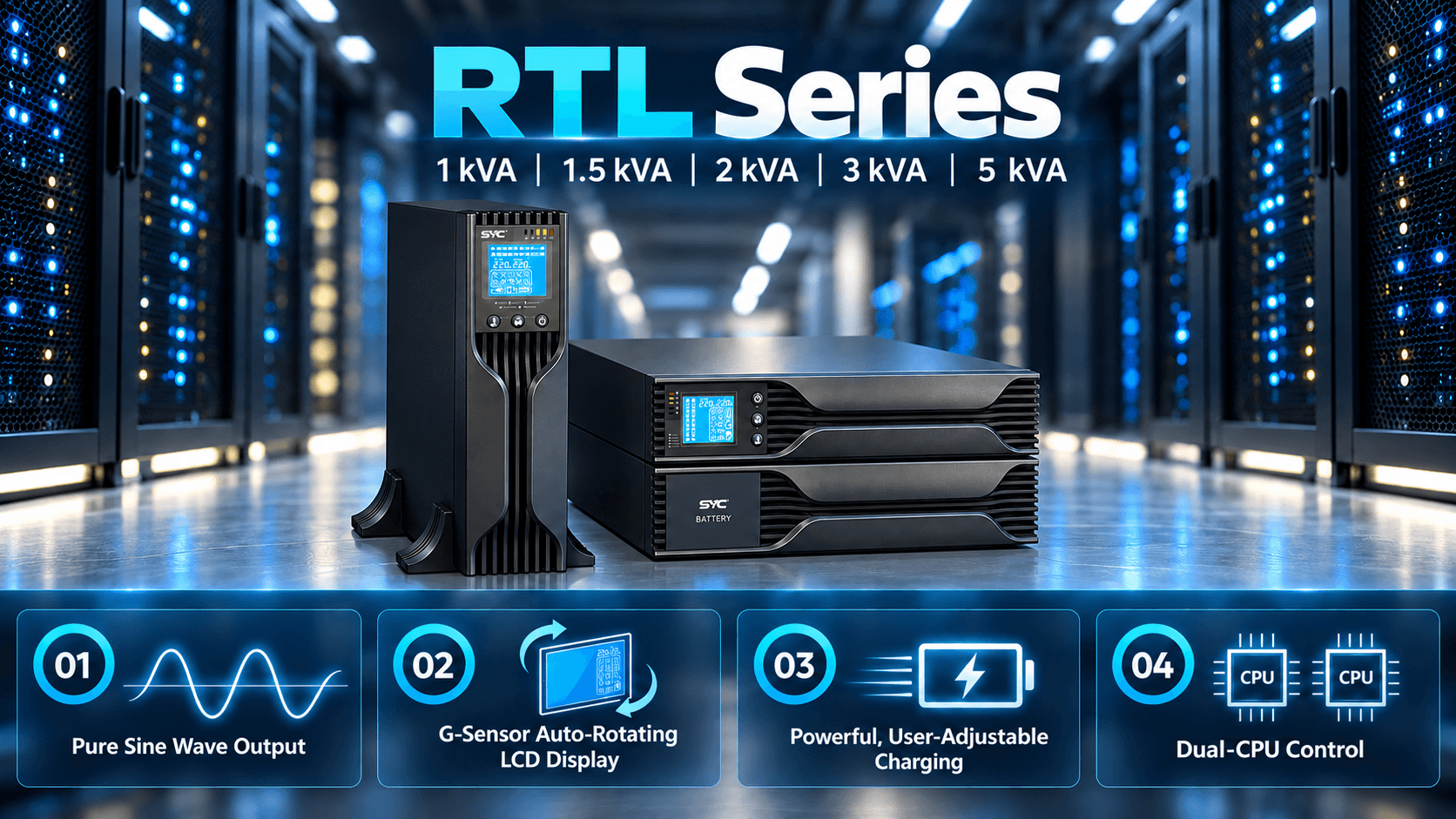
If you are looking for the products for your business please
contact us

+86 75782782286


Headquaters: Block7, No.115, ZhangChayi Road, Foshan, Guangdong, China