
Off-Grid Solar System Best Self-Sufficient Energy Solution
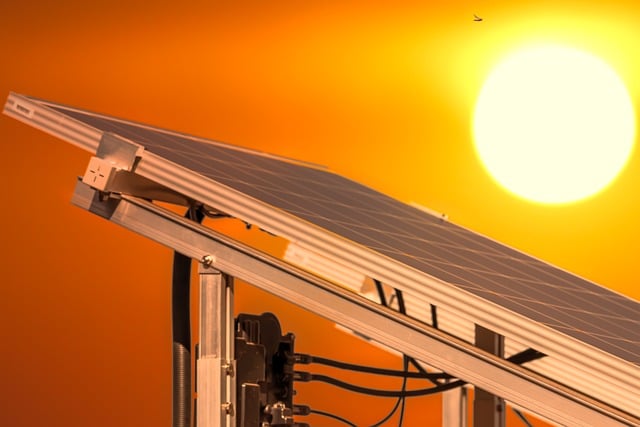
What Is an Off-grid Solar System and How Does It Work?
Key Benefits of Off-grid Solar Systems for Energy Independence
- Users are no longer subject to utility companies’ rising prices, outages, or grid limitations.
- Additionally, they contribute to environmental sustainability by reducing reliance on fossil fuels and lowering carbon footprints. In the long term, off-grid systems can lead to significant cost savings by eliminating monthly electricity bills and protecting users from future energy price hikes. This self-sufficiency also ensures consistent energy access, even in remote locations where grid infrastructure may be unreliable or non-existent.
Choosing the Right Off-grid Solar System for Your Home or Business
Selecting the right off-grid solar system depends on various factors, including your energy consumption needs, the size of your property, and the available sunlight in your region. You’ll need to calculate how much electricity your household or business uses on a daily basis to determine the necessary system size.
Additionally, battery capacity is crucial to ensure sufficient storage for overnight use and during cloudy days. Modern systems also feature advanced inverters, such as pure sine wave inverters, that provide stable, high-quality electricity for sensitive appliances. Consulting with a solar energy expert can help tailor a system that perfectly fits your requirements.
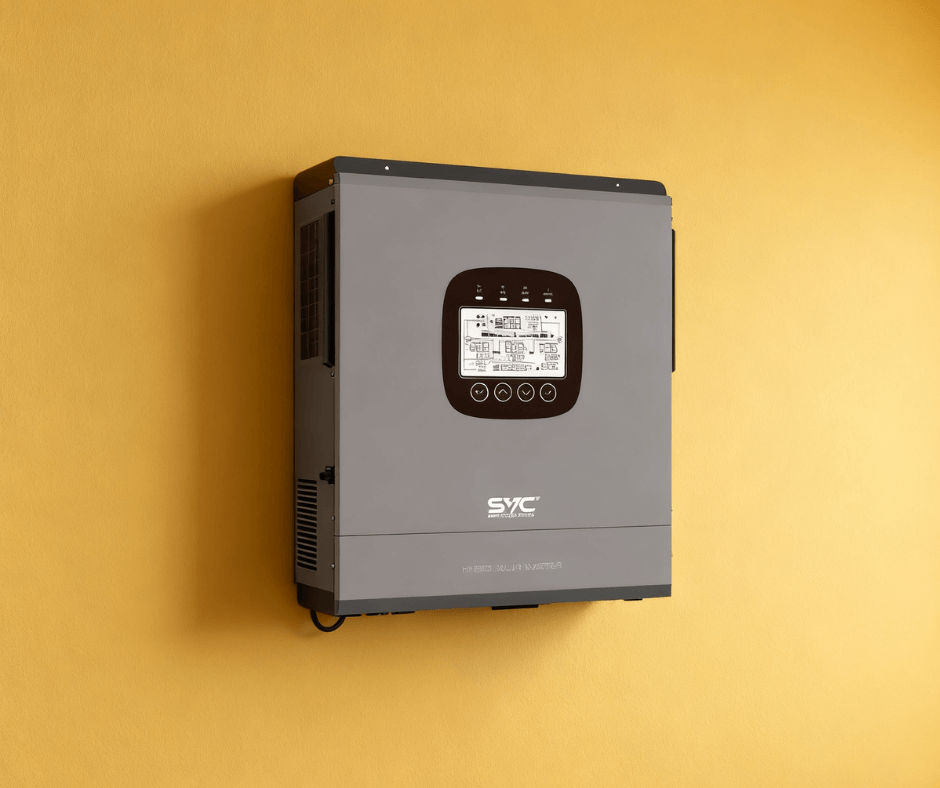
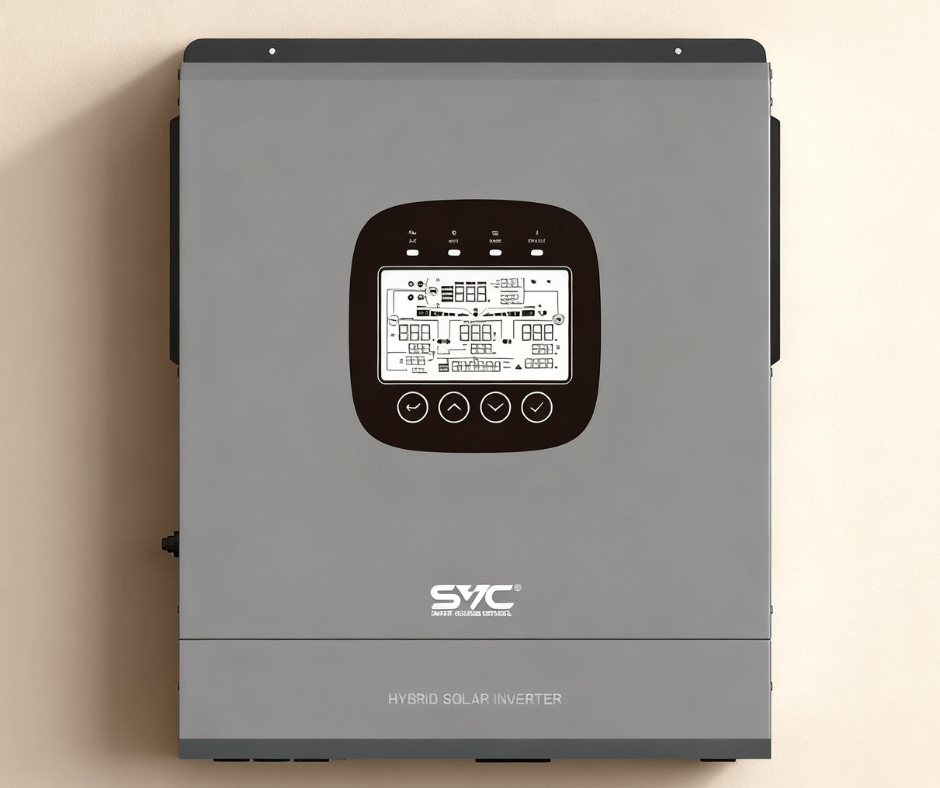
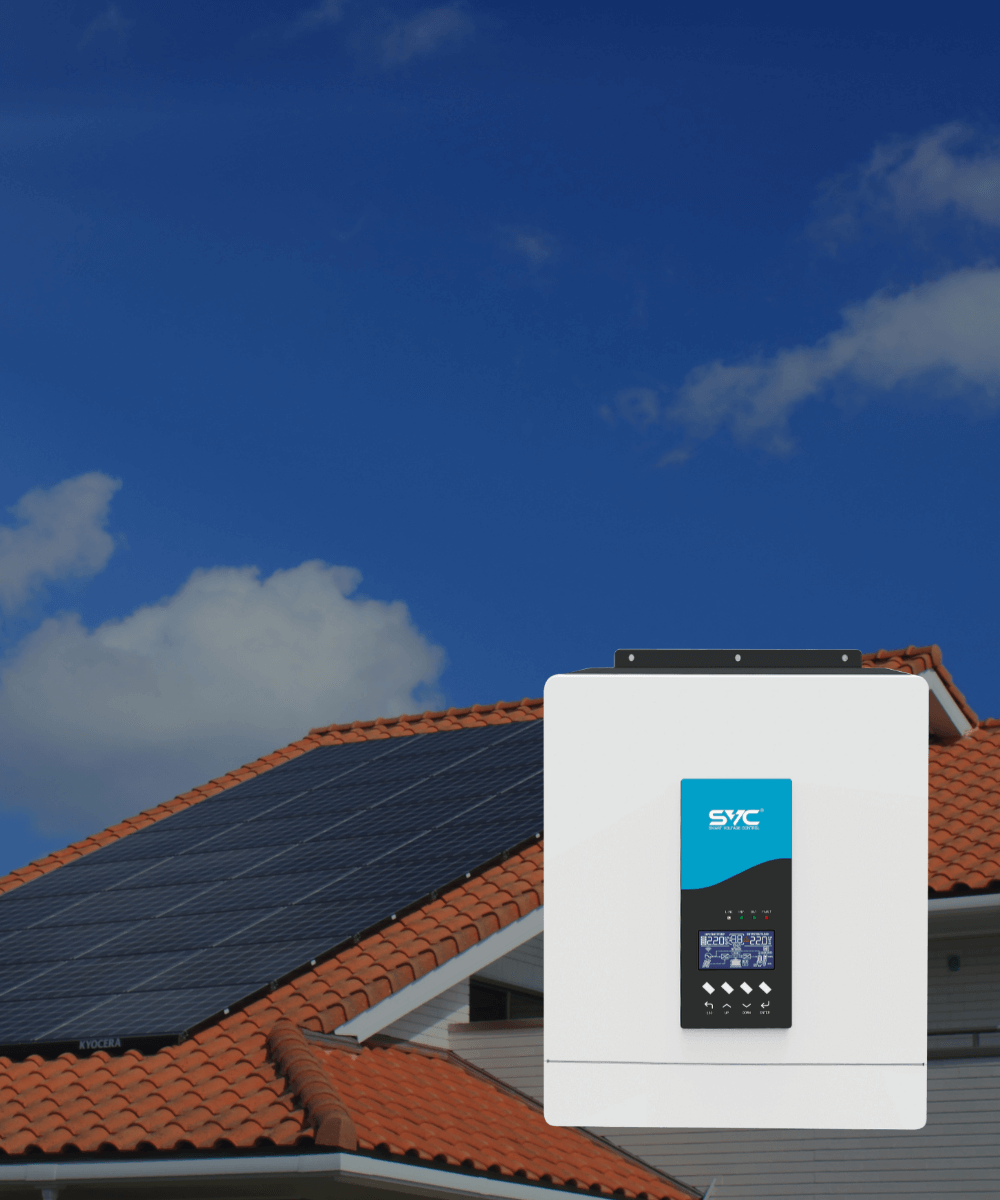
Off-grid Solar System for Home
- Rated Capacity: 3KVA/5KVA/10KVA
- Input voltage : 170-280Vac/ 90-280Vac
- Output voltage: 208/220/230/240Vac
- Pure Sine Wave
- Support USB and RS485 monitoring functions
- Compatible with lead-acid/LiFePO4 battery
- Cell Cycle Times: 6,000 cycles (+25℃ 0.2C 80% DOD)
- Long Lifespan: 5 years warranty, 10 years life design
- Easy Installation: Adopted wall-mounted design saving floor space
- Built-in smart BMS system to optimize the performance
- Communication: RS485/SNMP/WIFI/Bluetooth, compatible with different brand of solar inverter and chargers
- High discharge rate currents, suitable for on-grid or off-grid solar system
- Up to 16 battery packs can be connected in parallel
Challenges and Solutions in Implementing Off-grid Solar Systems
While off-grid solar systems offer great benefits, there are challenges to consider. One common issue is the initial investment, as off-grid systems typically require a higher upfront cost due to the need for solar panels, batteries, and inverters. However, the long-term savings from avoiding electricity bills can offset these costs.
Another challenge is energy storage, as batteries have limited capacity and need to be adequately sized to cover energy needs during extended cloudy periods. Technological advancements, such as improved battery efficiency and the integration of backup generators, can help overcome these obstacles and ensure consistent energy availability.
Off-grid Solar Systems: A Sustainable Future for Remote and Rural Areas
Off-grid solar systems are transforming lives in remote and rural areas that lack access to the main power grid. By providing reliable, renewable energy, they offer an affordable and sustainable alternative to diesel generators or costly infrastructure expansion. Communities can now power homes, schools, and healthcare facilities, leading to improved quality of life and economic development. Moreover, off-grid systems help reduce environmental degradation caused by conventional energy sources, making them an integral part of the transition toward a more sustainable and equitable energy future for underserved regions.
High Frequency Inverter v.s Low Frequency Inverter
What is a Car Power Inverter ?
If you are looking for the products for your business please
contact us

+86 75782782286


Headquaters: Block7, No.115, ZhangChayi Road, Foshan, Guangdong, China