
Three-Phase UPS vs Single Phase UPS: What is the Differences
In the field of power protection, Uninterruptible Power Supplies (UPS) play a crucial role. They continuously supply power to devices when the mains power fails, preventing data loss and equipment damage. There are significant differences between single-phase and three-phase UPS, which determine their applicability in various scenarios.
Principles
Firstly, about the basic principles of single phase UPS and three phase UPS.
A single-phase UPS has a single input and output source for electrical equipment. It operates with a single sinusoidal voltage and only requires two wires to form a circuit: one conductor and one neutral wire. This simple circuit structure gives it high flexibility in powering some small devices.
In contrast, a three-phase UPS uses a more complex power supply mode. It provides three sinusoidal waves through three independent conductors. These three sinusoidal waves are out of phase with each other, spaced 120° apart, and can provide continuous and stable power to the load.
Due to the characteristics of the three-phase system, it requires at least four wires, namely three conductors plus one neutral wire. This structure enables the three-phase UPS to support single-phase or three-phase output.
In contrast, a three-phase UPS uses a more complex power supply mode. It provides three sinusoidal waves through three independent conductors. These three sinusoidal waves are out of phase with each other, spaced 120° apart, and can provide continuous and stable power to the load.
Due to the characteristics of the three-phase system, it requires at least four wires, namely three conductors plus one neutral wire. This structure enables the three-phase UPS to support single-phase or three-phase output.
Conductors of Single Phase UPS and Three Phase UPS
Secondly, there is a clear difference in the number of conductors. A single-phase UPS contains only one conductor, while a 3-phase UPS supplies power through three conductors.
The difference in the number of conductors directly affects their power transmission capacity and load-bearing capacity.
For example, in some small offices, the number of devices and power requirements are relatively low. The single-phase UPS, with its simple structure and low cost, can meet the power needs of daily office equipment such as computers and printers.
In large data centers, however, there is a huge demand for power from numerous servers and storage devices. The three conductors of the three-phase UPS work together to provide strong power support and ensure the stable operation of the data center.
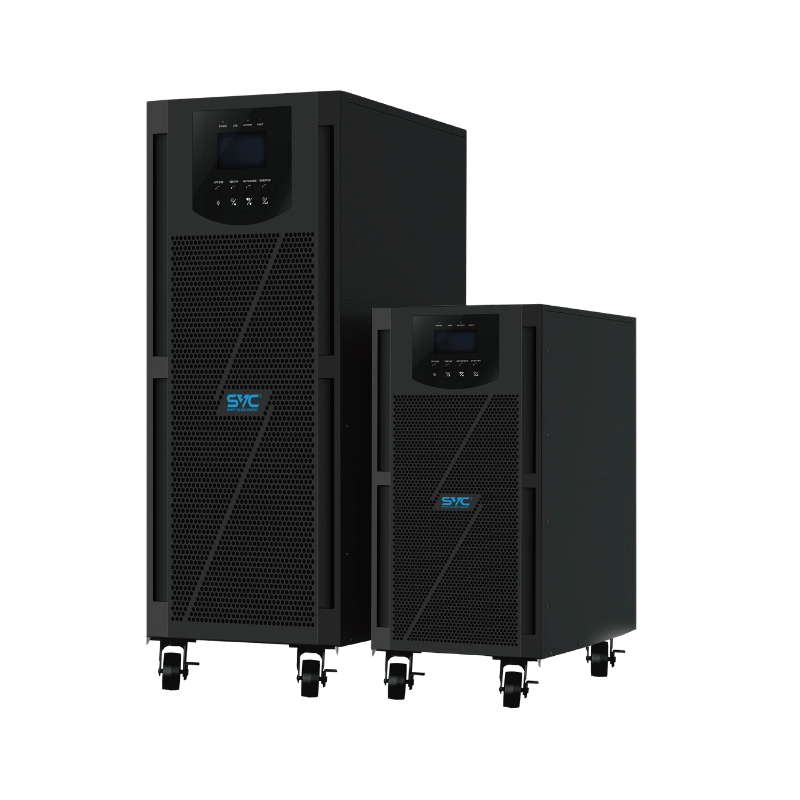
Sine Wave Output
The difference in sinusoidal waves cannot be ignored. A single-phase UPS provides only one sinusoidal wave, while a three-phase UPS provides three sinusoidal waves spaced 120° apart. This difference in the number and phase of sinusoidal waves allows the three-phase UPS to achieve a smoother and more stable power supply during power transmission. Take motor equipment in industrial production as an example. The three sinusoidal waves of the three-phase UPS can provide more balanced torque to the motor, reducing its vibration and wear, and extending its service life. When a single-phase UPS drives motors and other equipment, the single sinusoidal wave may cause unstable motor operation and lower efficiency.

Voltage
In terms of voltage, the standards vary in different regions. In North America, the single-phase voltage is usually 120V, while the voltage between phases in a three-phase system is 220V, and the voltage between phase and ground is 120V.
This voltage difference determines the types of devices they are suitable for and their application scenarios. In household electricity, most home appliances such as TVs, refrigerators, and air conditioners are designed for a single-phase 120V voltage, so a single-phase UPS can well adapt to these devices.
In the industrial field, many large mechanical equipment and production lines require higher voltage and power, and the 220V voltage between phases of the three-phase UPS can meet these needs.
Maintenance
In terms of installation and maintenance, the two have their own characteristics.
A single-phase UPS has a plug-and-play feature. Its installation and setup process is relatively simple, without the need for complex external installation procedures, making it more user-friendly for ordinary users. For example, when home users or small businesses equip computers and other devices with a UPS, they only need to connect the single-phase UPS to the power outlet and the device to complete the installation quickly and put it into use.
The three-phase UPS, due to its complex circuit structure and high power requirements, usually requires professional personnel for installation. In subsequent maintenance, professional technicians are also needed to regularly inspect and maintain it to ensure its normal operation.
Efficiency
In terms of efficiency, single-phase and three-phase UPS each have their advantages under different power requirements.
For the UPS battery backup system with low power consumption requirements, single-phase is more efficient than three-phase. This is because under low-power loads, the circuit losses of a single-phase UPS are relatively small. It can more effectively convert electrical energy into the energy required by the load.
For example, in some small monitoring systems and small communication base stations, where the power requirements of the equipment are low, using a single-phase UPS can meet the power supply needs while reducing energy consumption and saving costs.
However, when the power demand is high, the three-phase online UPS shows higher efficiency. It can carry larger loads in a safer way and reduce power transmission losses. In large shopping malls, hospitals, and other places, where numerous devices operate simultaneously with a huge power demand, the three-phase UPS can stably and efficiently provide power support.
Costs
Cost is also an important factor in distinguishing between the two. Although the initial investment in a three-phase online UPS system is relatively high, its equipment usually has a longer expected lifespan. At the same time, since the transmission lines of three-phase power do not need to use large-gauge copper wires like single-phase UPS, the line costs and maintenance costs can be effectively reduced during long-term use.
In the long run, three-phase UPS can save more money in large projects and scenarios with high power requirements. The single-phase UPS, due to its simple structure and mature technology, has a relatively low initial purchase cost and maintenance cost, making it more suitable for individual users and small businesses with limited budgets and small power requirements.
Applications
In terms of application scenarios, there is a clear distinction between the two.
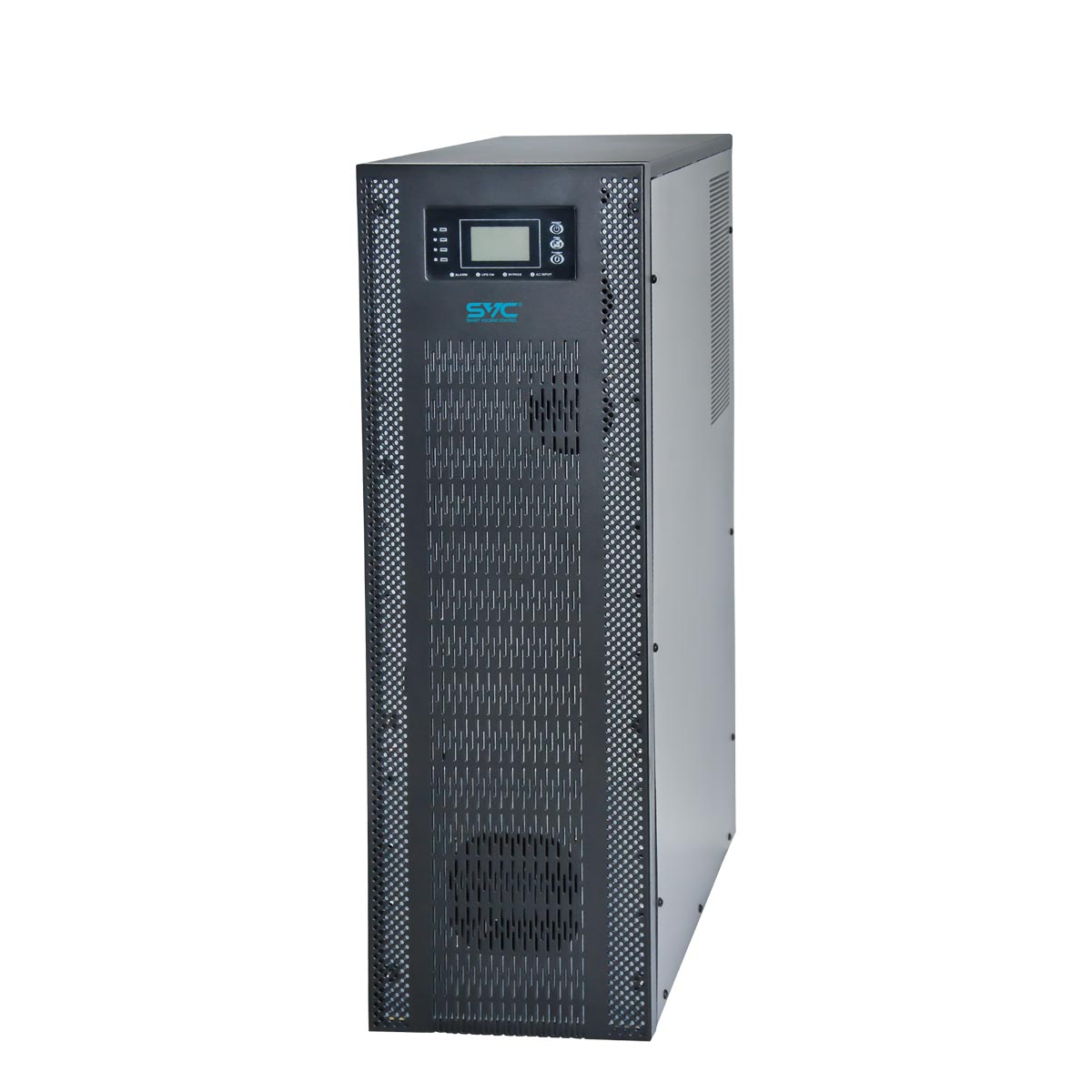
Single-phase UPS devices are mainly applied in scenarios with low kVA requirements, usually less than 30 kVA. For examples, the scenarios homes, small businesses, and satellite offices. In these scenarios, the number of devices is relatively small, and the power demand is not large. The single-phase UPS can provide stable and reliable power protection to meet the daily office and household electricity needs.
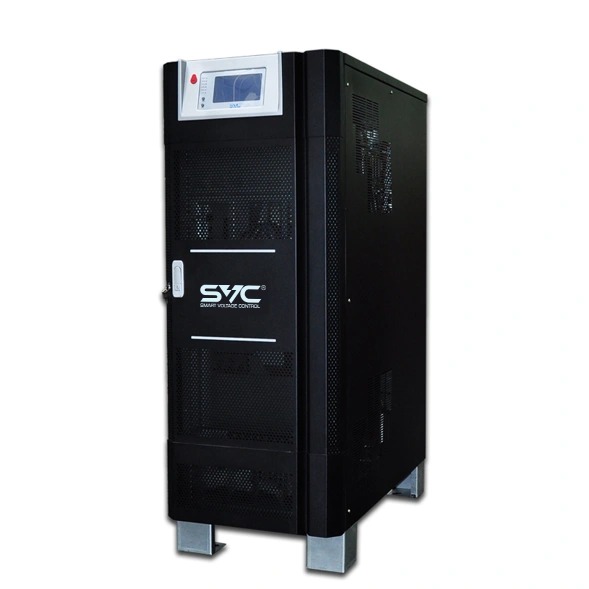
Three-phase UPS devices, on the other hand, are widely used in large installation scenarios, such as data centers, large industrial, large industrial power applications, and medical environments. As the core place for information storage and processing, data centers have extremely high requirements for power stability and continuity. The three-phase UPS can provide strong power support to ensure the normal operation of servers and other equipment.
Conclusion
In conclusion, there are many differences between three-phase and single-phase UPS in terms of principles, the number of conductors, sinusoidal waves, voltage, installation and maintenance, efficiency, cost, and application scenarios. In practical selection and application, users need to comprehensively consider their own power requirements, device types, budget, and usage scenarios to choose the most suitable UPS type, ensuring the stable operation of equipment and reliable power supply.
If you'd like more details on any aspect or have specific requirements for UPS selection in certain scenarios, feel free to let me know. We are the manufacturer of uninterrutpible power supplies, including dc UPS, line-interactive UPS, online UPS and standby UPS.
Types of Uninterruptible Power System
How to Calculate the Load Power of an Uninterruptible Power Supply
Related blog
If you are looking for the products for your business please
contact us

+86 75782782286


Headquaters: Block7, No.115, ZhangChayi Road, Foshan, Guangdong, China