
Types of Uninterruptible Power System
Uninterruptible Power Supplies (UPS) are indispensable devices in power pretection system. When the mains power is abnormal, UPS system can continuously supply power to critical equipment. According to their working principles and performance characteristics, UPS can be mainly divided into three types: Offline/Standby UPS, Line-interactive UPS, and Online Double Conversion UPS. Let's dive into the characteristics of each UPS type and applications.
Offline/Standby UPS
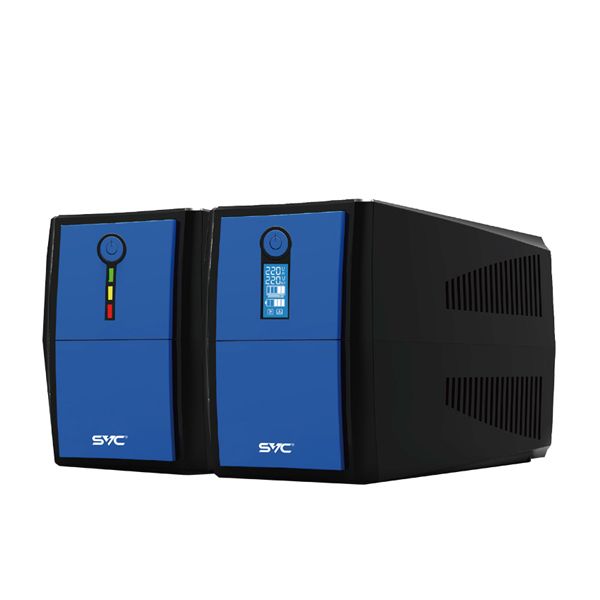
Offline UPS or standby UPS, also known as backup UPS.
It remains in an "idle" state when the mains power is normal. It essentially bypasses itself, allowing the mains power to directly supply power to the connected devices. Once it detects power anomalies (high-quality products can usually respond within 5 milliseconds), it quickly switches to internal battery power.
This brief switching leads to a slight "interruption" in power supply, which is why professional users don't consider it a "true UPS".
For ordinary home desktop PC users, it is fully functional and cost-effective, making it a great choice. However, for those critical application with extremely high requirements for data security and equipment stability, Offline UPS is not suitable.
It remains in an "idle" state when the mains power is normal. It essentially bypasses itself, allowing the mains power to directly supply power to the connected devices. Once it detects power anomalies (high-quality products can usually respond within 5 milliseconds), it quickly switches to internal battery power.
This brief switching leads to a slight "interruption" in power supply, which is why professional users don't consider it a "true UPS".
For ordinary home desktop PC users, it is fully functional and cost-effective, making it a great choice. However, for those critical application with extremely high requirements for data security and equipment stability, Offline UPS is not suitable.
|
|


Online Double Conversion UPS
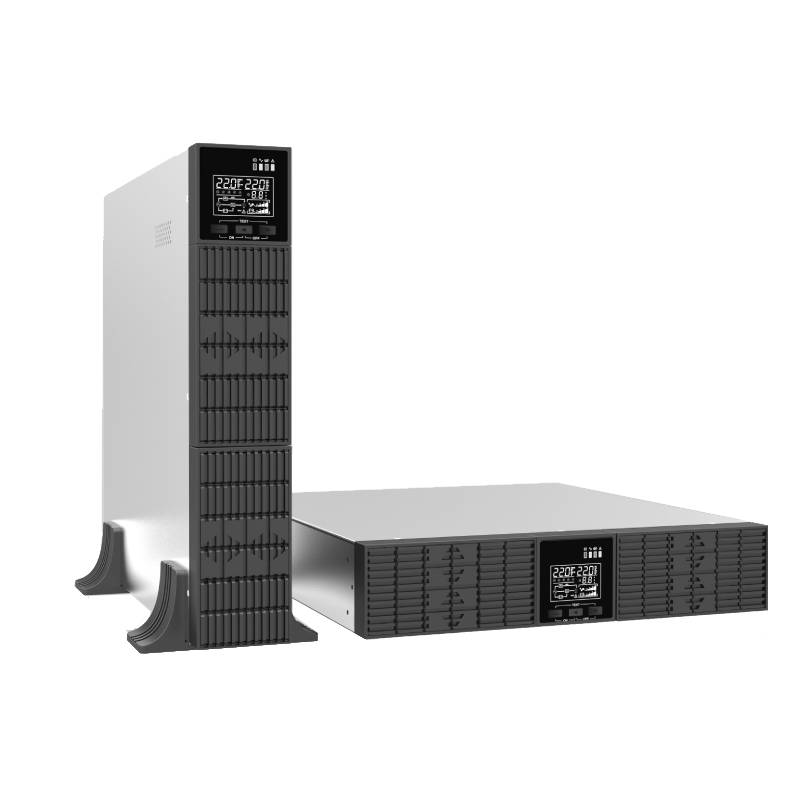
The Online Double Conversion UPS is often referred to as the "true UPS". Whether the mains power is normal or not, it continuously filters, stores, and delivers power.
The term "online" has nothing to do with an internet connection but emphasizes its continuous and stable working state. When the mains power fails, it can seamlessly continue to provide clean and stable power to the equipment, completely avoiding power interruptions. This type of UPS offers extremely high security and can effectively withstand unexpected current fluctuations and sudden power outages. However, it is relatively expensive, with higher power consumption and operating costs. Nevertheless, in critical scenarios such as data centers, medical equipment, and financial trading systems, where the requirements for power continuity are extremely strict and any performance degradation or data loss would have catastrophic consequences, the Online Double Conversion UPS is the ideal choice.
|
|
 |


Line-interactive UPS
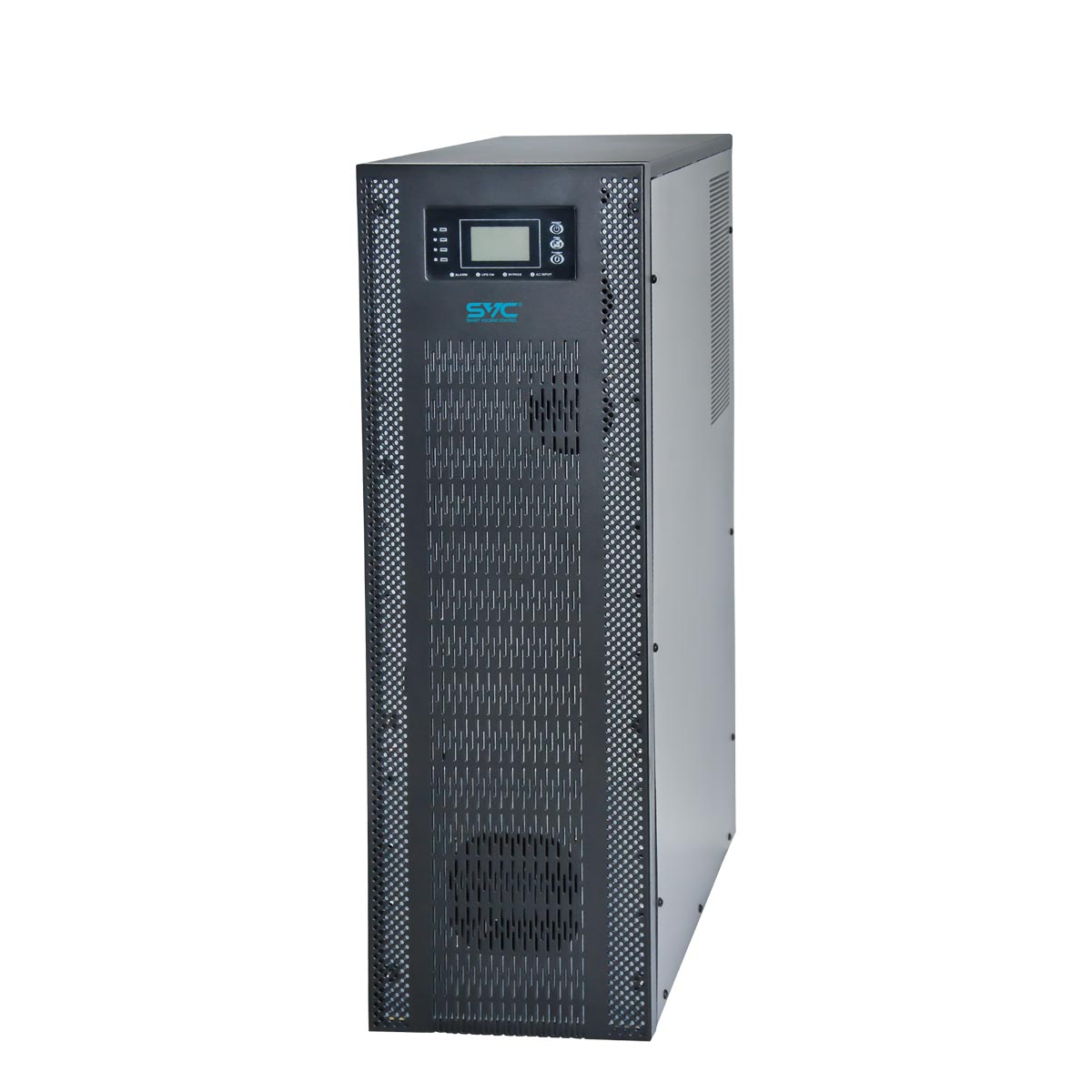
As a hybrid type of UPS, the Line-interactive UPS strikes a balance between the online and offline types. It has multiple operating modes, such as double conversion mode, economy mode, and active filtering mode, and can automatically select the most appropriate operating mode according to the real-time power conditions. This is made possible by its power transformer system, which can effectively reduce the total power demand during typical operation cycles.
When there are line voltage fluctuations (common "low voltage" situations), the Line-interactive UPS can more efficiently monitor, manage, and adjust the current, which is a significant advantage over Offline UPS. In addition, since it does not need to frequently switch between mains power and battery power, its battery life is greatly extended.


UPS Battery Types
VRLA (Valve-Regulated Lead-Acid)
- Low Maintenance: A basic and reliable lead-acid battery for UPS with a typical lifespan of 5 years.
- The term "valve-regulated" means that this type of battery uses a built-in automatic ventilation system, which is triggered by pressure sensors. This is to control the pressure release caused by the gradual gas accumulation that may occur under extreme conditions.
- It performs best in dry, temperature-controlled environments, such as centrally heated rooms in homes or offices.
Lithium-Ion Batteries (Li-ion)
- Compact and Lightweight: Lithium-ion batteries usually come with multiple built-in power management functions, such as charging and voltage balancing.
- Higher Initial Cost: Although the initial cost is higher, they have a longer lifespan than other batteries, making them more economical in the long run.
- Check out all Eaton lithium-ion battery models. SVC UPS system with LiFePO4 batteries
VLA (Wet/Flooded Batteries)
- Designed for Specific Applications: These batteries are specifically designed for certain applications and environments and are not widely available.
- Potential Hazards: Due to their chemical composition, they pose potential risks (unless placed in a separate and secure battery storage room). They require regular user maintenance and monitoring, but they offer high reliability and stability.
- Suitable for Specific Purposes: They are more suitable for specific uses, such as large-scale server centers.
Modular UPS vs. Integrated UPS: What are the Differences?
Three-Phase UPS vs Single Phase UPS: What is the Differences
Related blog
If you are looking for the products for your business please
contact us

+86 75782782286


Headquaters: Block7, No.115, ZhangChayi Road, Foshan, Guangdong, China