
Winter Energy Crisis: How Solar Power System as Solution
Europe is facing an unprecedented energy crisis. Geopolitical conflicts and global market instability have disrupted natural gas supplies. Energy prices have soared, impacting households and industries. Meanwhile, stricter climate policies aim to reduce fossil fuel dependency, accelerating the transition to renewable energy. However, this transition takes time, leaving a pressing need for immediate solutions.
Residential solar systems are emerging as a practical answer. These systems use solar energy to generate household electricity. They reduce energy bills, provide energy independence, and offer a clean, sustainable power source. For European families, solar systems are quickly becoming a tool to ease the burden of rising costs and unreliable energy supplies.
This article explores the current energy crisis in Europe and highlights how residential solar systems can provide an effective solution.
The Current Energy Crisis in Europe
Skyrocketing Energy Prices: Energy prices have risen sharply across Europe. Natural gas prices in 2023 were over 200% higher than pre-pandemic levels. Households now face higher heating costs, especially during winter. Many families struggle with “energy poverty,” where a large portion of income goes to utility bills. Rising electricity costs make daily life more expensive, forcing consumers to seek affordable alternatives.
Unstable Energy Supply: Europe relies heavily on imported natural gas. Supply disruptions caused by conflicts, such as the Russia-Ukraine war, have exposed vulnerabilities. LNG imports and renewable energy projects help, but they cannot close the gap quickly. Winter demand spikes and grid overloads have led to frequent outages. Uncertainty about energy availability has disrupted daily life and business operations.
Governments Push for Renewable Energy: Despite the crisis, European governments remain committed to renewable energy goals. The European Green Deal aims for carbon neutrality by 2050. Many countries offer subsidies, tax breaks, and low-interest loans to promote solar and wind energy. Germany provides significant financial support for residential solar installations. Italy offers tax incentives for solar adoption. However, these policies need time to scale, and costs remain a challenge for widespread adoption.
How Solar Systems Solve the Winter Crisis
Off-grid solar inverter and solar battery: Home Energy Self-sufficient Solution
At night or during emergencies, when the solar panels are not producing energy, the system draws power from the stored electricity in the storage batteries. The off-grid inverter once again converts this stored DC energy into usable AC power, ensuring a continuous and reliable electricity supply even without sunlight or grid access.
This process maximizes energy self-sufficiency and provides a dependable backup during power outages.
|
|
|
|
|


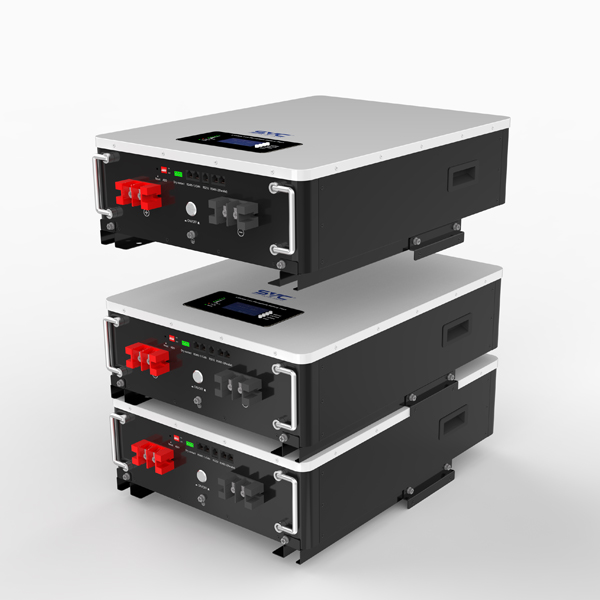

Solar Powered Generator

Conclusion
Winter energy crisis has underscored the urgent need for reliable and sustainable solutions. Residential solar systems provide an immediate and effective way to address power shortages and rising costs. They empower households with energy independence, reduce financial strain, and contribute to a cleaner environment.
To overcome the challenges of today and build a more resilient future, Ukraine must prioritize the adoption of residential solar systems. With the combined efforts of government, businesses, and citizens, solar power can become a cornerstone of Ukraine’s energy recovery and sustainability.
MPPT Solar Inverter: What is it and How it Works
High Frequency Inverter v.s Low Frequency Inverter
If you are looking for the products for your business please
contact us

+86 75782782286


Headquaters: Block7, No.115, ZhangChayi Road, Foshan, Guangdong, China